
A proper Mouthwash Comparison helps people choose the safest and most effective option for daily oral care. Different mouthwashes target plaque, bad breath, gum disease, sensitivity, or whitening. Understanding ingredients, benefits, and risks ensures better dental health. If you recently had dental work, see our Post-Filling Sensitivity Level Analyzer for related educational guidance.
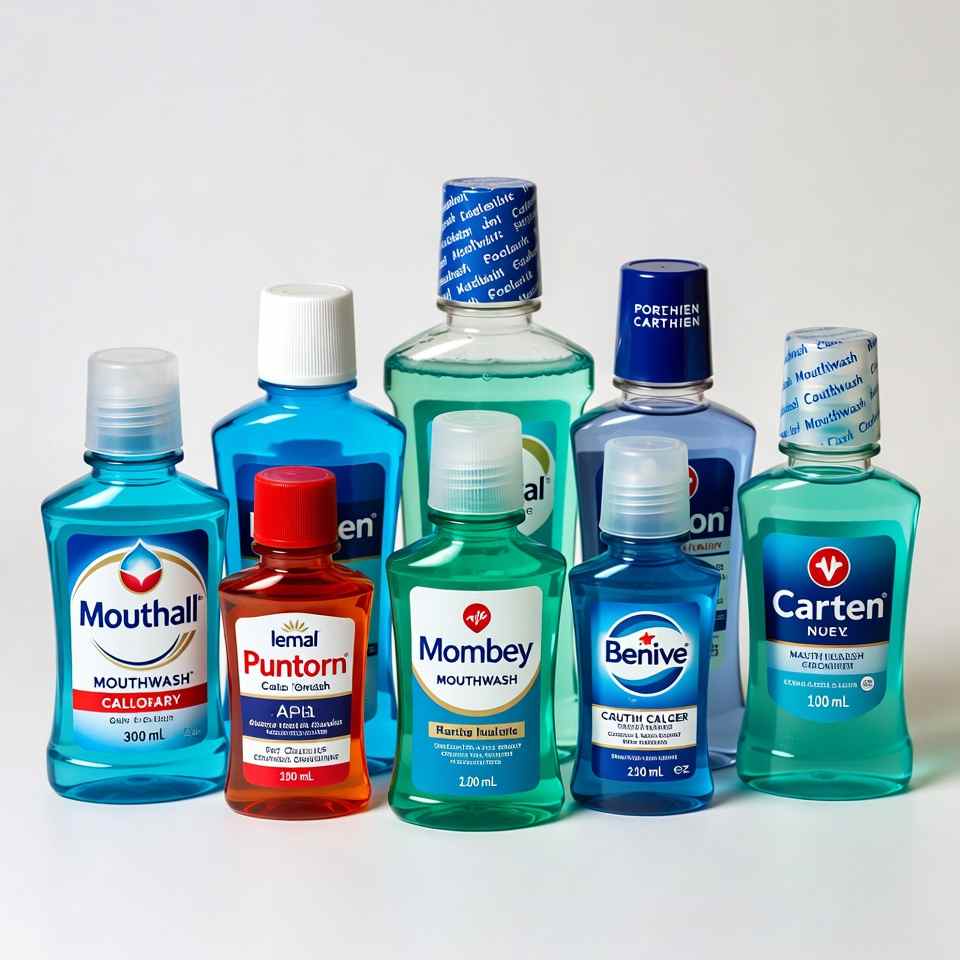
Table of Contents
Free Tool Mouthwash Comparison Slider
Now, here is the full article:
Mouthwash Comparison has become essential as oral care products continue to expand rapidly. Many people use mouthwash daily without knowing whether it suits their needs. This Mouthwash Comparison article explains types, ingredients, benefits, and expert advice using research-based information. The goal is to help readers make informed, dentist-approved choices. Choosing the wrong mouthwash may worsen dryness, sensitivity, or gum problems. A smart Mouthwash Comparison protects long-term oral health and confidence.
Why Mouthwash Comparison Matters for Oral Health
Mouthwash Comparison matters because not all mouthwashes serve the same purpose. Some fight bacteria, while others freshen breath temporarily. According to dental research, mouthwash should support brushing and flossing, not replace them. Alcohol-based mouthwashes may kill bacteria but can cause dry mouth with prolonged use. Non-alcohol mouthwashes protect enamel and suit sensitive users better. A detailed Mouthwash Comparison helps avoid marketing traps and focuses on clinical benefits.
Types of Mouthwash Explained Through Mouthwash Comparison
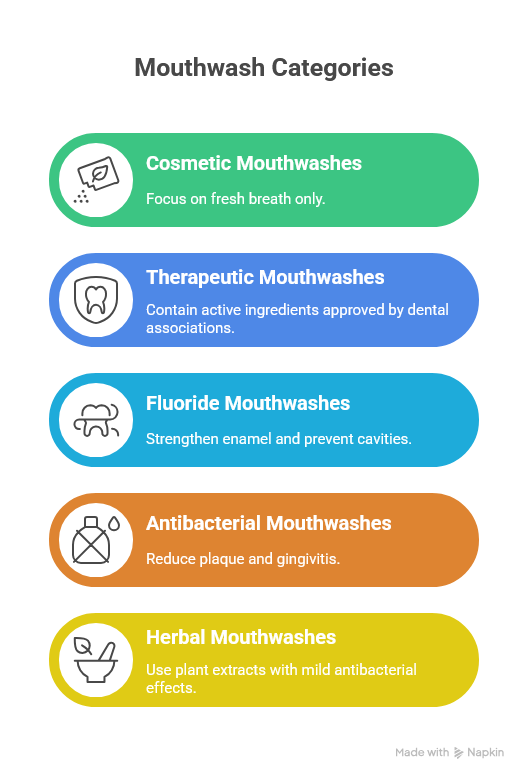
A proper Mouthwash Comparison begins with understanding categories. Cosmetic mouthwashes focus on fresh breath only. Therapeutic mouthwashes contain active ingredients approved by dental associations. Fluoride mouthwashes strengthen enamel and prevent cavities. Antibacterial mouthwashes reduce plaque and gingivitis. Herbal mouthwashes use plant extracts with mild antibacterial effects. Each type suits different oral needs, which makes Mouthwash Comparison highly personal.
Key Ingredients to Check in Mouthwash Comparison
Ingredients define mouthwash performance, making them central to any Mouthwash Comparison. Fluoride helps remineralize teeth and prevent decay. Chlorhexidine offers strong antibacterial action but suits short-term use only. Cetylpyridinium chloride controls plaque and bad breath. Essential oils like thymol fight bacteria naturally. Alcohol improves antimicrobial action but increases dryness risk. Experts advise reading ingredient labels carefully before daily use.
Mouthwash Comparison Table for Quick Understanding
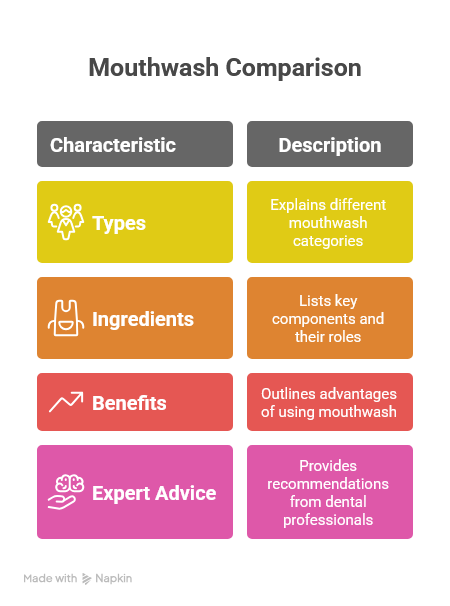
Below is a helpful Mouthwash Comparison table showing common types and uses:
| Mouthwash Type | Key Benefit | Best For | Caution |
|---|---|---|---|
| Fluoride | Strengthens enamel | Cavity prevention | Not for children under six |
| Antibacterial | Reduces plaque | Gum disease | Long-term use caution |
| Alcohol-Free | Gentle care | Dry mouth | Slightly milder action |
| Herbal | Natural freshness | Mild sensitivity | Slower results |
| Whitening | Stain control | Surface stains | May increase sensitivity |
This Mouthwash Comparison table highlights why one product cannot fit everyone.
Research Insights Supporting Mouthwash Comparison
Clinical studies show fluoride mouthwashes reduce cavities by up to twenty percent when used correctly. Research also links long-term alcohol mouthwash use to increased oral dryness. Dental journals emphasize personalized selection through Mouthwash Comparison. The American Dental Association recommends therapeutic mouthwashes with its seal of approval. These findings confirm that Mouthwash Comparison should rely on science, not trends.
Expert Opinions on Mouthwash Comparison
Dr. Michael Santos, a preventive dentist, states, “Mouthwash Comparison helps patients avoid overusing harsh formulas that damage oral balance.” Another dental hygienist notes, “People often chase strong flavors, ignoring ingredient safety.” These expert views reinforce the importance of evidence-based Mouthwash Comparison. Dentists consistently advise choosing mouthwash based on need, not taste.
Common Mistakes Revealed by Mouthwash Comparison
Many users rinse immediately after brushing, which washes away fluoride benefits. Some use mouthwash multiple times daily without guidance. Others choose whitening mouthwashes despite sensitivity issues. Mouthwash Comparison reveals that misuse reduces effectiveness and increases risk. Experts recommend waiting at least thirty minutes after brushing before rinsing.
How to Choose the Best Option Using Mouthwash Comparison
Start by identifying your oral concern. Cavities need fluoride support. Gum issues require antibacterial formulas. Dry mouth benefits from alcohol-free products. Sensitivity demands gentle ingredients. This practical Mouthwash Comparison approach simplifies decision-making. Consulting a dentist further improves accuracy and safety.
Final Thoughts on Mouthwash Comparison
Mouthwash Comparison empowers users to protect teeth, gums, and breath effectively. It prevents unnecessary damage caused by unsuitable formulas. Research, expert guidance, and ingredient awareness ensure smarter choices. Mouthwash works best as part of a complete oral care routine. A thoughtful Mouthwash Comparison transforms daily rinsing into a science-backed health habit.
FAQs Mouthwash Comparison Slider (Safe vs. Unsafe After Filling)
How soon can I use mouthwash after a dental filling?
Most people can use mouthwash after a filling, but follow your dentist’s specific instructions. Fresh fillings may need gentle care initially. Avoid aggressive rinsing if your dentist recommends waiting. Your dentist’s advice should take priority over general guidance.
Is alcohol-free mouthwash safer after a tooth filling?
Alcohol-free mouthwash is often a gentler choice after a filling. It may reduce irritation and dryness compared with alcohol-containing formulas. However, alcohol content alone does not determine safety. Choose a product suited to your dental needs and dentist’s advice.
Can alcohol-based mouthwash damage a new filling?
Routine alcohol-based mouthwash does not automatically damage a properly placed filling. However, strong formulas can irritate sensitive tissues after dental treatment. The filling material and your oral condition also matter. Follow your dentist’s recommended rinsing routine.
Can mouthwash cause sensitivity after a dental filling?
Yes, some mouthwashes can make temporary post-filling sensitivity feel worse. Alcohol, strong flavors, and acidic ingredients may irritate sensitive tissues. Choose a mild, alcohol-free formula if your dentist approves. Persistent sensitivity deserves a dental review.
Should I use fluoride mouthwash after getting a filling?
Fluoride mouthwash can support cavity prevention when used correctly. A filling repairs existing decay but does not prevent future cavities. Use fluoride rinses according to the product label and dental advice. Do not swallow the rinse.
Can I rinse immediately after brushing and then use mouthwash?
It is usually better not to rinse immediately after fluoride toothpaste. Doing so can reduce the fluoride left on your teeth. Spitting without rinsing preserves more fluoride. Follow your dentist’s instructions if they recommend a different routine.
What ingredients should I avoid if my filled tooth feels sensitive?
Consider avoiding very strong alcohol-containing or highly irritating formulas when sensitivity is present. Whitening rinses may also aggravate sensitivity in some people. Look for a gentle formula designed for sensitive mouths. Ask your dentist if symptoms continue.
Can chlorhexidine mouthwash be used after a dental filling?
Chlorhexidine can be appropriate for specific dental conditions, but it should not be used routinely without professional advice. Dentists often prescribe it for short-term treatment. It can cause staining and taste changes. Use it only as directed.
How long should I wait before rinsing after a filling?
There is no universal waiting period for every filling. Your dentist may give instructions based on the filling material and treatment details. Follow those instructions rather than relying on a fixed number. Call the dental office if instructions are unclear.
When should I stop using mouthwash and contact my dentist?
Stop the rinse and contact your dentist if it causes severe pain, swelling, rash, or persistent irritation. Contact your dentist for worsening sensitivity or bite problems after a filling. Urgent swelling with breathing difficulty needs emergency care. Do not ignore severe or rapidly worsening symptoms.
1 thought on “Mouthwash Comparison Slider (Safe vs. Unsafe After Filling)”