
Discovering blood in your stool can trigger an immediate alarm. However, this symptom doesn’t always signal a serious condition. Understanding what causes this concerning sign helps you respond appropriately and seek timely medical care. Use this free online blood in stool symptom checker. For general stool-color context, see our stool color chart.
Table of Contents
🩸 Blood in Stool Symptom Checker
Understanding Blood in Stool Symptoms
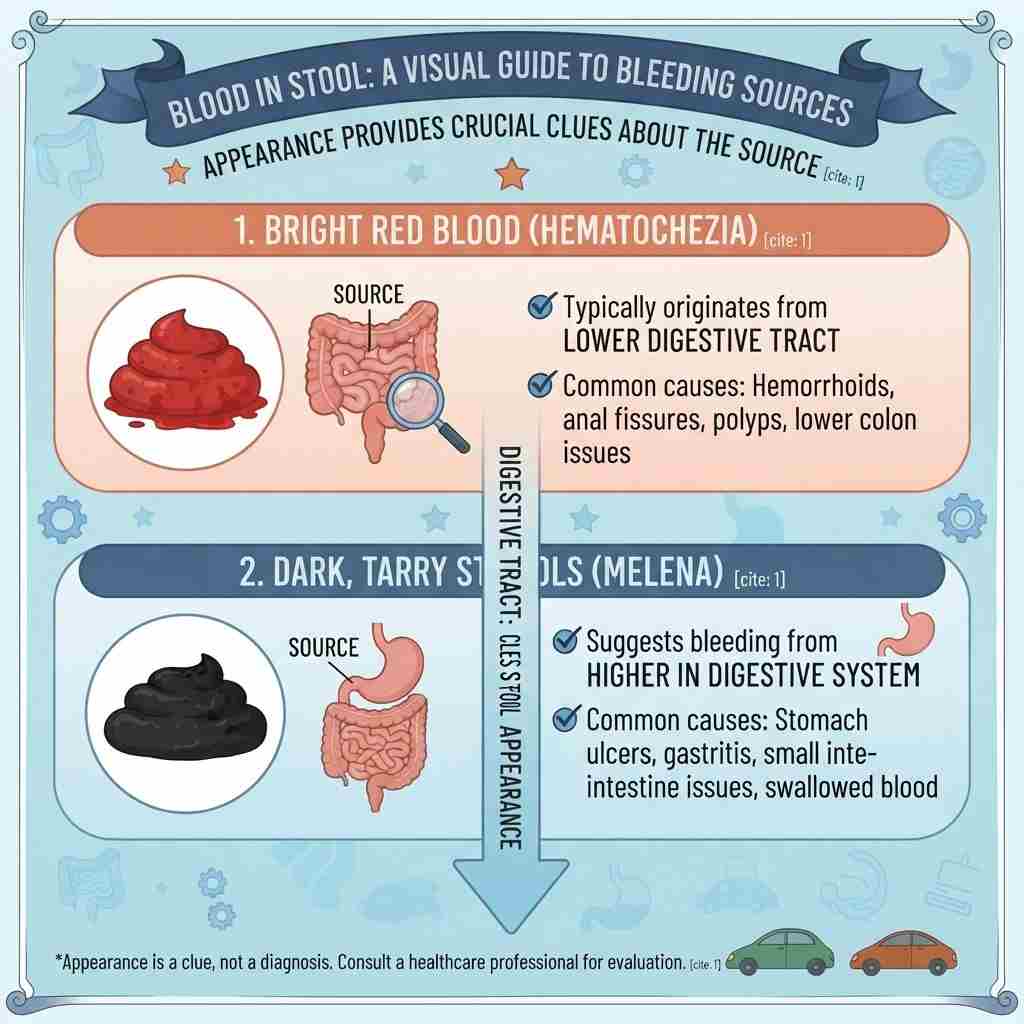
Blood in stool appears in various forms, each potentially indicating different health issues. The appearance provides crucial clues about the source of bleeding. For additional context about stool appearance and color, see our stool color chart. The NIDDK guidance on gastrointestinal bleeding also explains common warning signs.
Bright red blood typically originates from the lower digestive tract. This includes the rectum, anus, or lower colon. Meanwhile, dark, tarry stools suggest bleeding higher in the digestive system, such as the stomach or small intestine.
Some people notice blood mixed throughout their stool. Others see it only on toilet paper or in the toilet bowl. The quantity matters too—ranging from barely visible streaks to alarming amounts.
Dr. Michael Roth, a gastroenterologist at Johns Hopkins Medicine, notes: “The color and consistency of blood in stool can help healthcare providers pinpoint the bleeding source. However, any rectal bleeding warrants professional evaluation.”
Common Associated Symptoms
Blood in stool rarely appears alone. Additional symptoms often accompany this warning sign:
- Abdominal pain or cramping
- Changes in bowel habits
- Unexplained weight loss
- Fatigue or weakness
- Dizziness or lightheadedness
- Nausea or vomiting
These accompanying symptoms provide vital diagnostic information. Therefore, tracking all changes helps your doctor make an accurate assessment.
What Causes Blood in Stool?
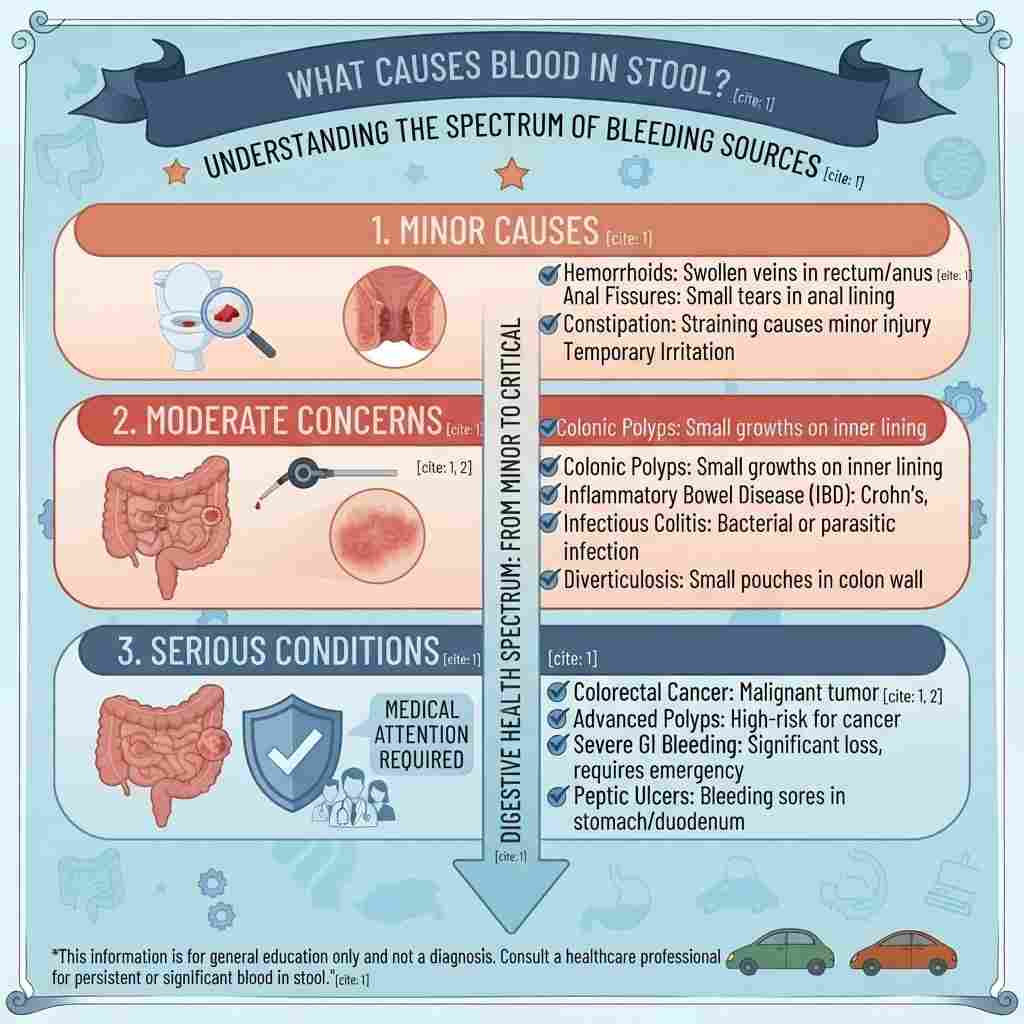
Multiple conditions can cause rectal bleeding. The severity ranges from minor irritations to serious diseases.
Minor Causes
Hemorrhoids rank as the most common culprit. These swollen blood vessels in the rectum or anus bleed easily during bowel movements. Similarly, anal fissures—small tears in the anal lining—produce bright red blood and sharp pain.
Hard stools or chronic constipation frequently trigger these conditions. Fortunately, they typically resolve with conservative treatment.
Moderate Concerns
Inflammatory bowel disease (IBD), including Crohn’s disease and ulcerative colitis, causes chronic inflammation. These conditions produce bloody diarrhea, abdominal pain, and urgent bowel movements.
Diverticulosis involves the formation of small pouches in the colon wall. When these pouches bleed, they can cause sudden, painless rectal bleeding.
Intestinal infections caused by bacteria, viruses, or parasites can also cause bloody stools. Additionally, they cause diarrhea, fever, and abdominal discomfort.
Serious Conditions
Colorectal polyps are growths that can bleed intermittently. Some polyps become cancerous over time, making early detection critical.
Colorectal cancer represents the most serious cause of rectal bleeding. Early stages often produce minimal symptoms, emphasizing the importance of screening.
Other serious causes include stomach ulcers, esophageal varices, and blood-clotting disorders.
Blood in Stool Symptom Checker: A Practical Guide
A symptom checker helps you evaluate the urgency of your situation. However, it does not replace professional medical evaluation.
Emergency Warning Signs
Seek immediate emergency care if you experience:
- Large amounts of blood loss
- Dizziness, fainting, or confusion
- Rapid heartbeat or chest pain
- Severe abdominal pain
- Vomiting blood
- Black, tarry stools with weakness
These symptoms suggest significant blood loss or serious underlying conditions. Consequently, they require urgent medical attention.
When to Schedule a Doctor’s Appointment?
Contact your healthcare provider within a few days if you notice:
- Persistent blood in stool lasting more than two days
- Changes in bowel habits
- Unexplained weight loss
- Ongoing abdominal discomfort
- Family history of colorectal cancer
Dr. Sarah Chen, a colorectal surgeon, advises: “Don’t dismiss rectal bleeding as ‘just hemorrhoids’ without confirmation. Many serious conditions present with similar symptoms initially.”
Self-Assessment Questions
Consider these questions when evaluating your symptoms:
| Question | Why It Matters |
|---|---|
| What color is the blood? | Indicates bleeding location |
| How much blood do you see? | Suggests severity |
| Is this the first occurrence? | Helps identify patterns |
| Do you have abdominal pain? | Points to specific conditions |
| Have bowel habits changed? | Signals digestive issues |
| Are you experiencing fatigue? | Indicates possible anemia |
| Do you have fever or chills? | Suggests infection |
Diagnostic Process and Testing
Your doctor will conduct a thorough evaluation to identify the source of the bleeding.
Initial Assessment
The process begins with a detailed medical history and physical examination. Your doctor asks about symptom duration, frequency, and associated complaints.
A digital rectal exam allows direct assessment of the lower rectum and anus. This simple procedure can identify hemorrhoids, fissures, or masses.
Diagnostic Procedures
Colonoscopy remains the gold standard for evaluating rectal bleeding. This procedure examines the entire colon using a flexible camera. Doctors can identify polyps, inflammation, tumors, or bleeding sources.
Flexible sigmoidoscopy examines only the lower colon and rectum. It provides a less comprehensive view but requires less preparation.
Upper endoscopy evaluates the esophagus, stomach, and upper small intestine. This test is used to investigate suspected upper digestive bleeding.
Blood tests check for anemia, infection, and clotting disorders. Stool tests can detect microscopic blood and identify infectious causes.
Important Screening Guidelines
Regular colorectal cancer screening significantly reduces mortality. Most organizations recommend screening for average-risk individuals beginning at age 45.
People at higher risk should start earlier. Risk factors include family history of colorectal cancer, personal history of polyps, and inflammatory bowel disease.
Prevention and Management Strategies
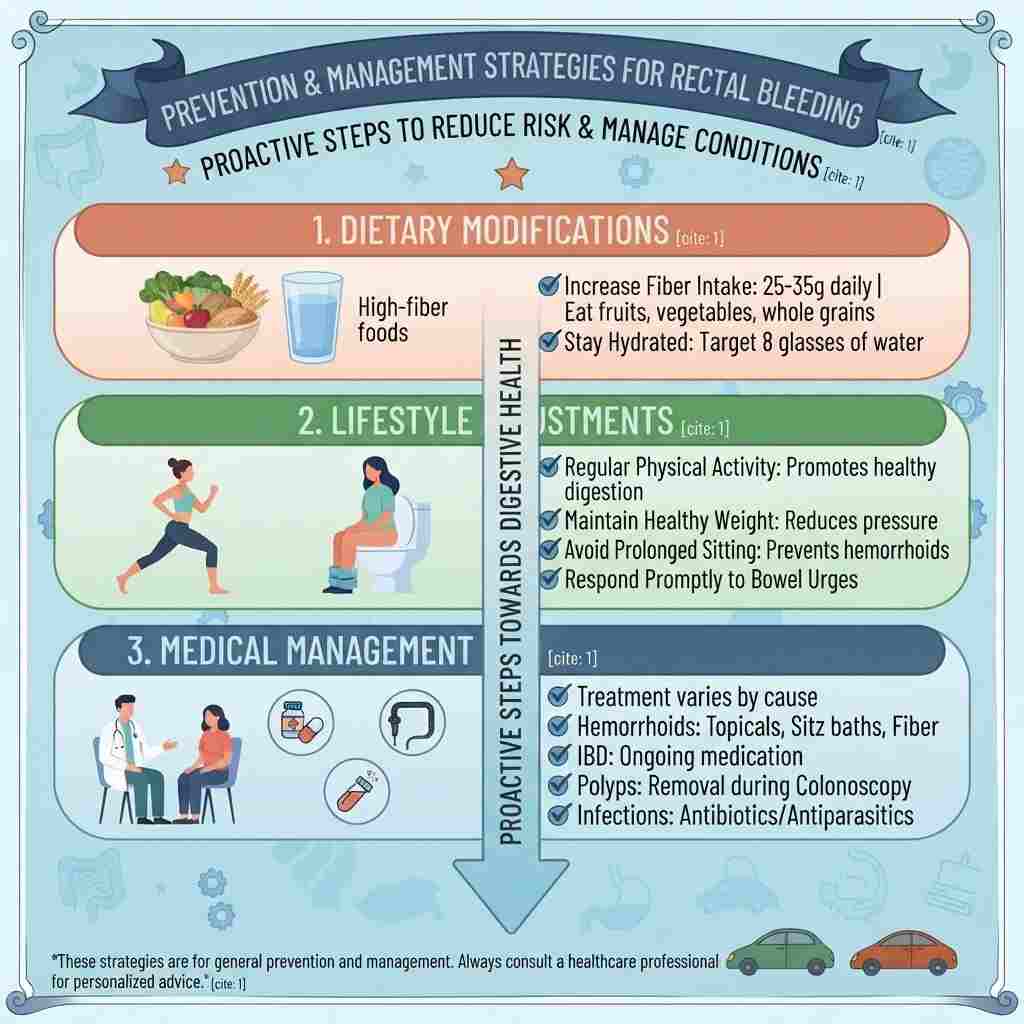
Taking proactive steps reduces your risk of developing conditions that cause rectal bleeding.
Dietary Modifications
Consuming adequate fiber prevents constipation and straining. Aim for 25-35 grams daily from fruits, vegetables, and whole grains.
Staying well-hydrated keeps stools soft and easier to pass. Target eight glasses of water daily.
Lifestyle Adjustments
Regular physical activity promotes healthy digestion and regular bowel movements. Exercise also helps maintain a healthy weight, reducing pressure on the rectal veins.
Avoiding prolonged sitting on the toilet reduces the risk of hemorrhoid development. Furthermore, responding promptly to bowel urges prevents excessive straining.
Medical Management
Depending on the underlying cause, treatment options vary widely. Hemorrhoids often respond to topical treatments, sitz baths, and dietary changes.
IBD requires ongoing medication to control inflammation. Meanwhile, polyps need removal during a colonoscopy to prevent cancer development.
Infections typically resolve with appropriate antibiotics or antiparasitic medications.
The Bottom Line
Blood in stool demands attention, though it doesn’t always indicate serious disease. Understanding the warning signs empowers you to respond appropriately.
Use symptom checkers as preliminary guides, not diagnostic tools. Professional medical evaluation remains essential for accurate diagnosis and appropriate treatment.
Don’t let embarrassment delay seeking help. Early detection and treatment of underlying conditions significantly improve outcomes. Your health deserves prompt, professional attention when symptoms appear.
Remember: When in doubt, always consult a healthcare provider. Taking action today protects your digestive health for years to come.
FAQs Blood in Stool Symptom Checker: Warning Signs & When to See Doctor
What does bright red blood in stool usually mean?
Bright red blood often comes from the lower digestive tract. Hemorrhoids and anal fissures are common causes. Persistent bleeding still needs medical evaluation. Heavy bleeding or weakness requires urgent care.
Is a small amount of blood on toilet paper serious?
A small streak can occur with hemorrhoids or an anal fissure. It should not automatically be dismissed. Recurrent bleeding deserves a clinical assessment. New bleeding with other symptoms needs faster evaluation.
When is blood in stool an emergency?
Heavy bleeding, fainting, severe weakness, severe abdominal pain, or vomiting blood can signal an emergency. Black tarry stool can also indicate upper digestive bleeding. Seek emergency care when these warning signs occur.
Can hemorrhoids cause blood in stool?
Yes, hemorrhoids can cause bright red bleeding during or after bowel movements. Constipation and straining can worsen them. However, other conditions can cause similar bleeding. Do not assume hemorrhoids are the cause without appropriate evaluation.
What does black tarry stool indicate?
Black, sticky, tar-like stool can indicate bleeding higher in the digestive tract. Iron or bismuth can also darken stool. Tarry stool with dizziness or weakness needs urgent medical assessment.
Does abdominal pain with bloody stool require urgent care?
It can, especially when pain is severe or rapidly worsening. Fever, vomiting, dizziness, or heavy bleeding increases concern. Prompt evaluation helps identify infections, inflammation, or other causes. Severe symptoms warrant emergency care.
Can blood in stool be caused by diet?
Yes, foods such as beets or red coloring can mimic blood. However, appearance alone cannot reliably distinguish food from bleeding. Repeated or uncertain red stool should be discussed with a healthcare professional.
How long can I wait before seeing a doctor for blood in stool?
Do not delay evaluation when bleeding is recurrent, unexplained, or accompanied by other symptoms. Heavy bleeding or systemic symptoms need immediate care. A clinician can determine the appropriate testing based on your history and symptoms.
Can blood thinners make rectal bleeding more concerning?
Yes, blood thinners can increase bleeding risk or bleeding severity. Tell your healthcare professional about every blood-thinning medicine you take. Do not stop prescribed medication without medical advice. Significant bleeding requires prompt assessment.
Can an online blood in stool checker diagnose the cause?
No, an online checker cannot diagnose the cause of rectal bleeding. It can help organize symptoms and highlight warning signs. Diagnosis may require an examination, blood tests, stool tests, or endoscopy. Use the tool as educational guidance only.