
Microwaves are among the most convenient kitchen appliances today. They save time, energy, and make cooking simpler. However, using microwaves without proper knowledge can lead to mistakes. Many people either overheat or underheat food, which impacts both taste and safety. Knowing the correct heating times ensures healthier meals. Safe microwave practices also prevent accidents and harmful contamination. This guide will help you understand safe heating times, power settings, and best practices. You will also discover safety rules that protect your health. Read carefully, because each step ensures better cooking and safer results. Now, let’s dive into the Microwave Heating Time & Safety Guide.
Table of Contents
Microwave Heating Time & Safety Guide 🔥
Understanding Microwave Heating
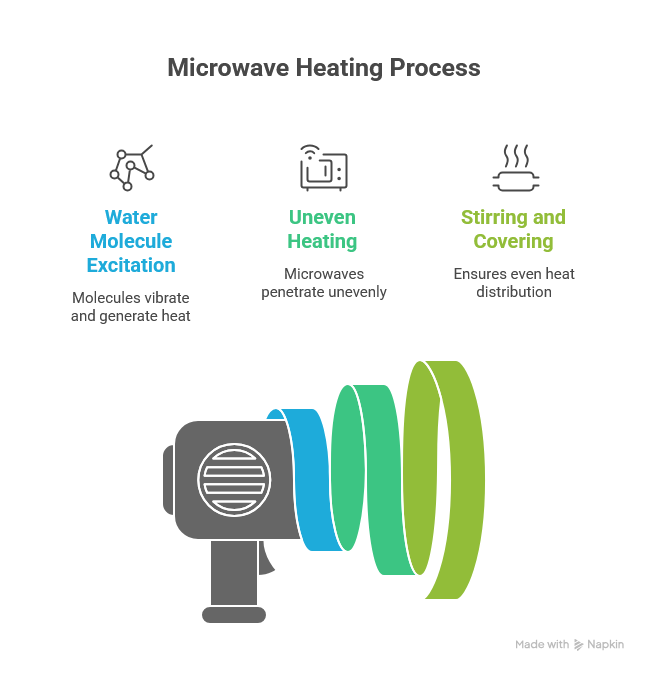
Microwave ovens heat food using electromagnetic waves. These waves excite water molecules inside food, creating heat. As a result, food heats faster compared to traditional methods. However, uneven heating can sometimes occur. This issue happens because microwaves penetrate food unevenly. That is why stirring and covering food is essential. Consistent heating not only improves taste but also ensures food safety.
Importance of Correct Heating Time
Correct heating time makes food safe and enjoyable. Undercooked food may carry harmful bacteria. Overcooked food can lose its nutrients and flavor. Therefore, following the recommended heating times is vital. For liquids, heat in short intervals to avoid sudden boiling. For leftovers, ensure food reaches safe internal temperatures. Using a food thermometer helps guarantee safety. The right heating time also saves energy and reduces electricity bills.
Safety Tips for Microwave Use
Always use microwave-safe containers. Avoid metal, foil, or plastic that can melt or spark. Cover food with a microwave-safe lid to prevent splatter. Stir the food halfway through cooking for even heating. Allow standing time after heating, because food continues to cook. Never operate an empty microwave, as it can damage the appliance. Clean spills regularly to prevent odors and bacteria growth. Keep your microwave door seals clean for maximum safety.
Common Foods and Heating Times
Different foods require different microwave times. Vegetables usually take 3–5 minutes, depending on portion size. Leftover rice needs about 2–3 minutes when covered. Pasta dishes warm best with 3–4 minutes on medium power. Soups should be heated in 1–2 minute intervals and stirred often. Frozen meals require more time, usually 5–7 minutes. Always check packaging instructions for accurate heating times. Remember, microwaves vary in wattage, so adjust times accordingly.
Helpful Tool: Microwave Heating Time & Safety Guide
This tool helps you calculate safe heating times quickly. You simply enter food type, weight, and microwave wattage. The tool suggests the safest time and power level. It also recommends stirring or resting time when needed. With this tool, you avoid uneven heating and food safety risks. It is perfect for students, families, or busy professionals. Moreover, the guide includes safety reminders for daily use. Using it makes cooking safer, faster, and healthier.
Benefits of Following This Guide
First, it protects you from foodborne illness. Second, it preserves nutrients in your meals. Third, it improves taste and texture by avoiding overheating. Fourth, it saves you money through efficient power use. Finally, it builds confidence in microwave cooking. With these benefits, using this guide is a wise choice.
Final Thoughts
Microwave cooking is quick, but safety must come first. Correct heating times and safe practices ensure healthy meals. Always choose microwave-safe containers and follow proper instructions. Use this guide to master microwave safety. With small steps, you can cook smarter every day. Remember, safe cooking is always the best cooking.
FAQs Microwave Heating Time & Safety Guide-Free Tool
Can microwave heating times vary by appliance?
Yes. Microwave wattage can change heating speed. Check your appliance rating and adjust time when needed.
Should I cover food when heating it in a microwave?
Covering food loosely helps retain moisture and reduces splattering. Use a microwave-safe cover with ventilation.
How can I make microwave heating more even?
Spread food evenly and rotate or stir it when appropriate. Let heated food stand before eating.
What is the safest way to heat leftovers in a microwave?
The safest way is to cover food, stir halfway, and heat until steaming hot.
Can I use any plastic container in a microwave?
No, only use containers labeled microwave-safe to prevent melting or chemical release.
Why does my food sometimes heat unevenly in a microwave?
Uneven heating occurs because microwaves do not penetrate food evenly. Stirring helps distribute heat properly.
How do I prevent liquids from boiling over in the microwave?
Heat liquids in short intervals, stir between, and leave space at the top.
Is standing time necessary after microwave heating?
Yes, standing time allows heat to spread evenly throughout the food.
Can metal or foil be used inside the microwave?
No, metal and foil can spark, damage the microwave, or cause fire.
How do I know the right heating time for frozen food?
Check package instructions or use the heating time guide tool for accuracy.