
Honey on Mediterranean Diet- Yes, you can have honey on a Mediterranean diet. Honey is an excellent source of antioxidants and has been used in traditional medicine for centuries. It also contains vitamins and minerals such as calcium, magnesium, potassium, phosphorus, and zinc, which are essential for health.
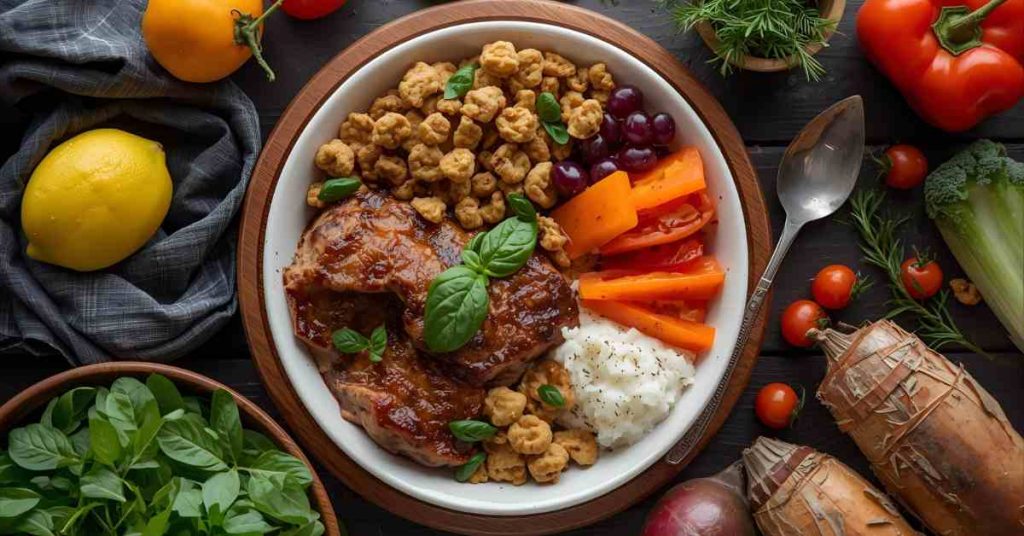
You should consume honey in moderation within the Mediterranean Diet because it is high in calories. Using it as a natural sweetener instead of sugar or artificial alternatives provides better nutritional benefits. Whenever possible, choose raw, locally sourced honey over commercial varieties for higher nutrient content.
- Choose honey as your sweetener, a natural sugar allowed on the Mediterranean Diet, instead of artificial sweeteners or processed sugars.
- Use only pure, unprocessed honey, avoiding added flavors or colors to gain all its natural nutritional benefits.
- Limit your consumption of honey, as excessive intake can increase calories and potentially cause weight gain.
- Incorporate into meals as an ingredient – Honey pairs well with many foods common in Mediterranean diets, such as fruits, vegetables, nuts, and seeds; add a small amount of honey when making homemade dressings or marinades for salads or roasted veggies for extra flavor without overdoing it with added sugars or calories.
Table of Contents
Honey & Mediterranean Diet Quiz 🍯
1. How often do you want to consume honey?
2. Do you have any sugar-related health concerns?
3. Are you following the Mediterranean diet strictly?
Can You Have Honey Or Maple Syrup on a Mediterranean Diet?
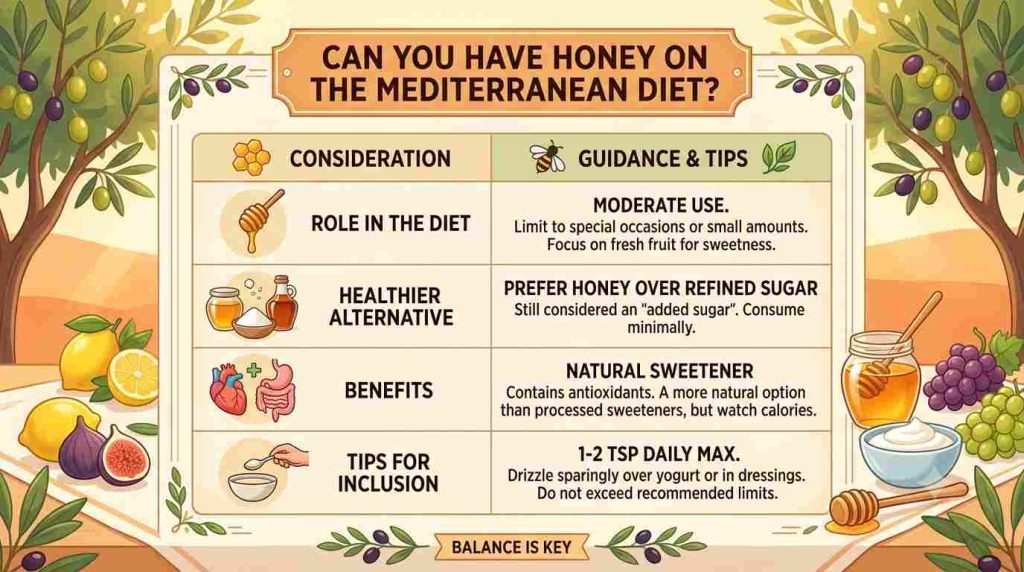
Yes, you can have honey or maple syrup on a Mediterranean diet. Traditional Mediterranean cooking uses these two sweeteners as staples, and you can add them in moderation to flavor dishes while following this healthy lifestyle. Honey and maple syrup are both natural sources of sugar that provide antioxidants, minerals, and vitamins that benefit the body.
Honey and maple syrup have fewer calories than refined sugar, making them a healthier sweet alternative. When using honey or maple syrup in the Mediterranean Diet, choose organic, additive-free options whenever possible. Even natural sugars should be eaten in moderation, so avoid overconsumption.
What Sweeteners are Allowed on the Mediterranean Diet?
The Mediterranean diet is a great way to eat healthy and live a healthy lifestyle. One of the key components of this diet is limiting added sugar intake. While it’s essential to restrict overall sugar intake, some sweeteners can be used as an alternative.
These include natural sweeteners such as honey, maple syrup, dates, stevia extract, or monk fruit extract. These options provide sweetness without the harmful effects of processed sugars like white sugar or high fructose corn syrup. For versatile cooking, coconut palm sugar works well, offering similar sweetness but with a lower glycemic index than refined cane sugar.
What's more, all these natural sweeteners have other health benefits too - honey contains antioxidants and minerals. At the same time, dates are rich in fiber and various vitamins and minerals such as iron and potassium.
Honey Intake Calculator 🍯
Enter your honey consumption to see how it fits into the Mediterranean diet:
Is Peanut Butter Allowed on a Mediterranean Diet?
The Mediterranean diet is one of the most popular diets out there due to its focus on fresh and nutritious foods. The Mediterranean diet emphasizes eating lean proteins, healthy fats, fruits and vegetables, as well as whole grains. Peanut butter is often seen as a snack, but it can be included in a healthy Mediterranean Diet.
Peanut butter contains many essential vitamins and minerals, such as Vitamin E, Magnesium, and Potassium. It provides protein, helping you feel full longer without significantly increasing your daily calorie intake. Plus, Studies link peanut butter to reduced inflammation in the body, which can support overall health and wellness.
Peanut butter contains fat, so eat small amounts and choose natural nut butters when following the Mediterranean Diet.
Is Oatmeal Allowed on a Mediterranean Diet?
Oatmeal is actually a great addition to the Mediterranean diet. It gives your body energy through complex carbohydrates and provides fiber along with essential vitamins and minerals. Oatmeal can help reduce bad cholesterol levels, lower blood pressure, and protect against heart disease.
Plus, oatmeal is very filling, so you feel fuller longer, which helps prevent overeating. Incorporate oatmeal into a Mediterranean Diet by making whole-grain porridge or adding oats to homemade granola bars or muffins. Oats are also great for breakfast with fresh fruit and nuts for added texture and crunch.
You can even add Greek yogurt for extra protein if desired! So don’t be afraid to include this delicious grain in your next meal – it will provide many beneficial nutrients without compromising flavor.
Can You Eat Basmati Rice on a Mediterranean Diet
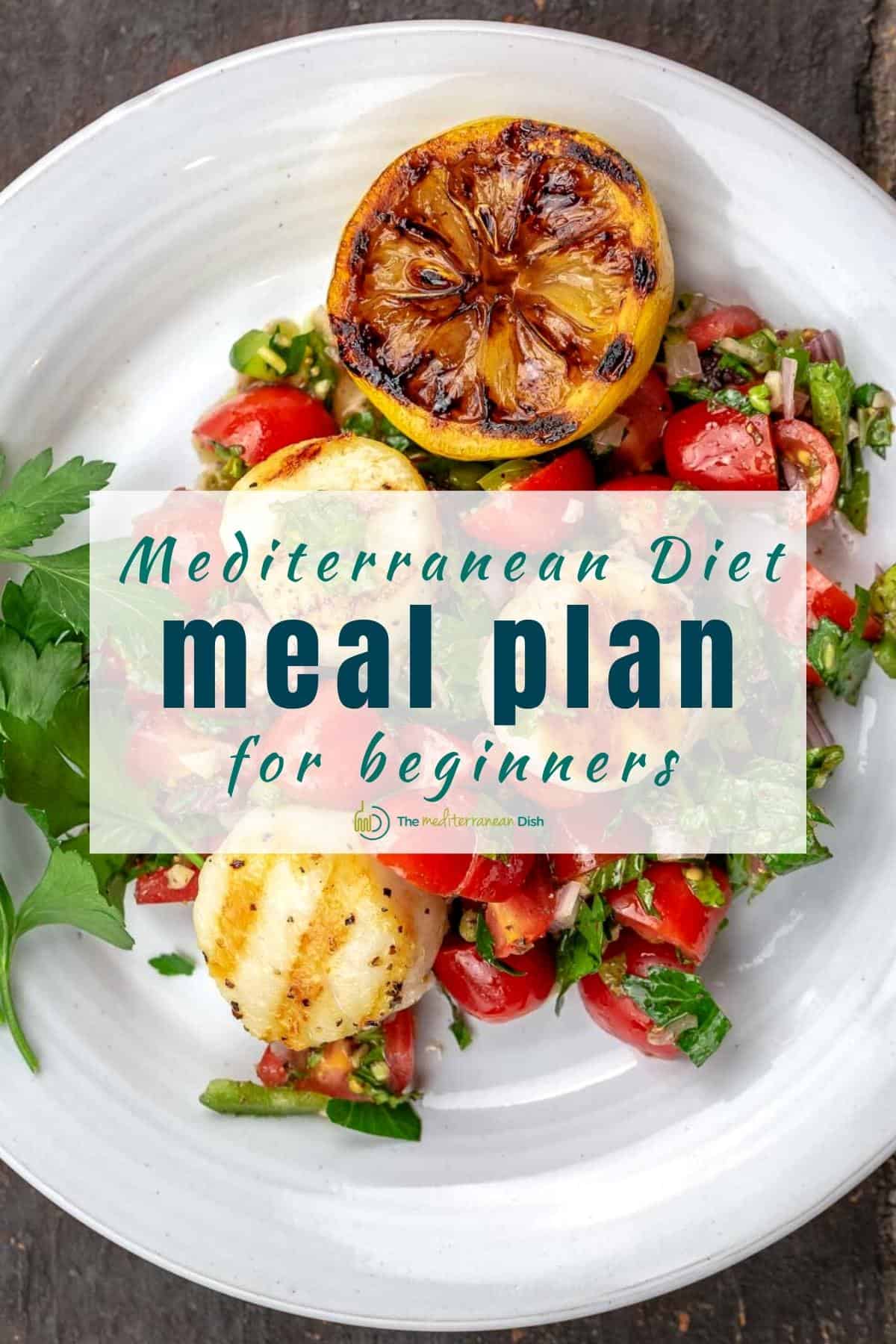
Yes, basmati rice can be eaten as part of a Mediterranean diet. This type of rice is low in fat and provides complex carbohydrates, which are beneficial for overall health. Additionally, basmati rice is rich in fiber and vitamins that may help reduce the risk of certain chronic diseases.
Its light flavor makes it easy to add to salads or stir-fries. Choose basmati rice over white or brown for more benefits.
Is Maple Syrup Allowed on a Mediterranean Diet
Yes, maple syrup is allowed on the Mediterranean Diet. Maple syrup is a healthy alternative to refined sugars, containing antioxidants and minerals like manganese, zinc, potassium, calcium, and magnesium. It can be used in cooking or as a topping for oatmeal, pancakes, or waffles.
It also adds flavor to smoothies and salad dressings.
Honey Substitutes Finder 🍯➡️🍎
Select your goal to find the best honey alternative for your Mediterranean diet:
What Can I Put in My Coffee on a Mediterranean Diet?
To maintain a Mediterranean Diet, add healthy flavorings to your coffee, such as cinnamon or cardamom. Use almond or other non-dairy milks for fewer calories. You can also add honey instead of sugar for sweetness, which is lower in calories as well. Finally, try adding a spoonful of coconut oil to give your coffee an extra boost of healthy fats and energy.
Final Thoughts
In conclusion, you can include honey in a Mediterranean Diet and enjoy it as an occasional sweet treat. It is important to remember that moderation and variety should be your guide when it comes to adding any type of food into your diet.
Choose honey that is raw, not heat-treated or pasteurized, to preserve its nutrients. Combine it with fruits, vegetables, grains, nuts, and seeds for a balanced Mediterranean Diet.
| Category | Guidelines & Insights | Practical Application Tips |
| Is Honey Allowed? | Yes, in moderation. The Mediterranean diet focuses on whole foods. While it limits refined sugars, honey is a natural, unrefined sweetener traditionally enjoyed in the Mediterranean region. | Use honey as a conscious flavor enhancer rather than a daily staple. Limit intake to 1–2 teaspoons a day. |
| The Health Benefits | High-quality honey contains antioxidants, polyphenols, and enzymes. It has a slightly lower glycemic index than table sugar, meaning it won't spike blood sugar quite as aggressively. | Choose raw, unfiltered, or local honey (like wildflower, thyme, or orange blossom). Mass-produced, clear clover honey is often highly processed and stripped of nutrients. |
| Traditional Uses | Historically, Mediterranean cultures used honey to sweeten plain Greek yogurt, drizzle over fresh figs or nuts, or lightly sweeten herbal teas. | Breakfast/Dessert: Drizzle 1 tsp over authentic, full-fat plain Greek yogurt with a handful of walnuts. Baking: Replace refined sugar with honey in whole-grain baked goods (use slightly less honey than sugar, as it is sweeter). |
| When to Avoid or Limit | Honey is still structurally a simple sugar and is high in calories. Overconsumption can lead to weight gain and blood sugar spikes, running counter to the diet’s heart-healthy goals. | If your goal is weight loss or managing Type 2 diabetes, limit honey to special occasions. Never give honey to infants under 12 months due to infant botulism risks. |
FAQs on Honey on Mediterranean Diet
Is honey allowed on the Mediterranean diet?
Yes, honey is allowed on the Mediterranean diet, but in moderation. It is considered a natural sweetener and should be consumed in small amounts.
Why is honey considered acceptable on the Mediterranean diet?
The Mediterranean diet emphasizes whole, natural foods, and honey is a natural sweetener. Unlike refined sugars, it contains antioxidants and some beneficial nutrients.
How much honey can I have on the Mediterranean diet?
While there is no strict rule, it’s best to consume honey in moderation—about 1–2 teaspoons per day—as excessive sugar intake can lead to health issues.
Can I replace sugar with honey in Mediterranean diet recipes?
Yes, you can use honey instead of refined sugar in recipes, but be mindful of portion sizes to keep sugar intake balanced.
What are the benefits of consuming honey on the Mediterranean diet?
Honey contains antioxidants, antibacterial properties, and trace nutrients that may support overall health when consumed in moderation.
What are some Mediterranean diet-friendly ways to use honey?
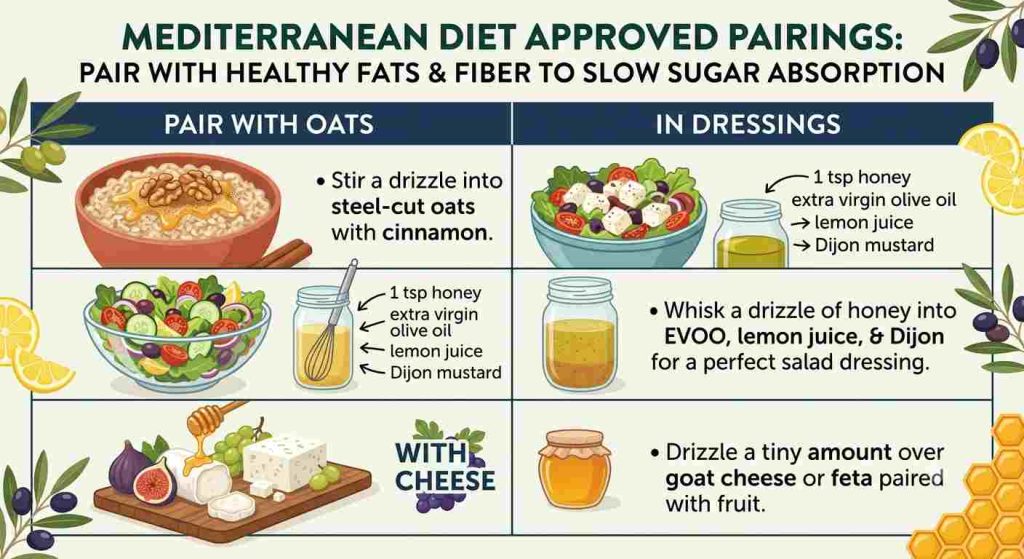
You can drizzle honey over Greek yogurt, use it to sweeten herbal tea, mix it into salad dressings, or add a small amount to whole-grain baked goods.
Are there any risks of consuming too much honey?
Yes, honey is still a source of sugar, and excess consumption can contribute to weight gain, blood sugar spikes, and other metabolic issues.
Is raw honey better than processed honey for the Mediterranean diet?
Raw honey is preferable because it retains more nutrients and antioxidants compared to highly processed honey, which may contain added sugars.
Can diabetics on the Mediterranean diet consume honey?
People with diabetes should be cautious with honey consumption, as it can raise blood sugar levels. Consulting a healthcare provider is recommended.
Does the Mediterranean diet promote honey over other sweeteners?
The diet prioritizes natural sweeteners like honey over refined sugar, but it still encourages consuming sweeteners in minimal amounts.