
Acidic beverage risk level: Acidic beverages, including sodas, citrus juices, and energy drinks, can erode tooth enamel, irritate the stomach lining, and contribute to long-term health issues like acid reflux and osteoporosis. The risk level depends on pH levels (lower pH = higher acidity), frequency of consumption, and overall diet. Moderating intake and using preventive measures (like rinsing with water) can help reduce harm.
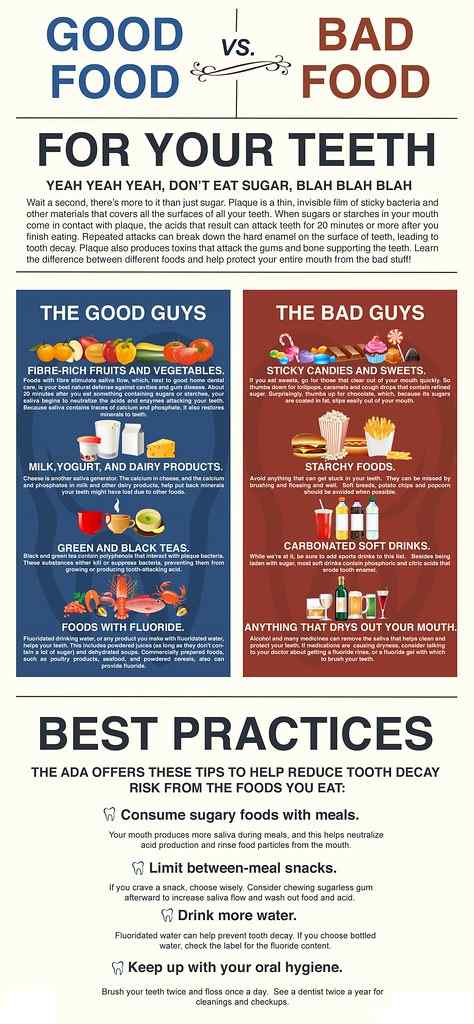
Table of Contents
Why Should You Care About Acidic Drinks?
Do you start your day with orange juice or rely on soda for an afternoon boost? While these drinks taste refreshing, their high acidity can silently damage your teeth, gut, and bones. Understanding the acidic beverage risk level helps you make more intelligent choices without giving up your favourites entirely.
What Makes a Beverage Acidic?
Acidity is measured by pH, with lower numbers indicating higher acidity:
- pH 0-2: Extremely acidic (e.g., battery acid)
- pH 3-4: Highly acidic (e.g., sodas, energy drinks)
- pH 5-6: Mildly acidic (e.g., black coffee, milk)
- pH 7: Neutral (water)
Common Acidic Beverages & Their pH Levels
| Beverage | Approximate pH Level | Risk Level |
|---|---|---|
| Lemon Juice | 2.0 | Very High |
| Cola | 2.5 | High |
| Orange Juice | 3.5 | Moderate-High |
| Energy Drinks | 3.4 | High |
| Apple Juice | 3.8 | Moderate |
| Coffee | 5.0 | Low-Moderate |
| Water | 7.0 | Neutral |
(Source: Journal of the American Dental Association)
Acidic Beverage Risk Level Analyzer
🥤 Acidic Beverage Risk Level Analyzer
Select a beverage to check its acidity risk level:
Note: Risk levels are approximate and for educational use only.
Health Risks of Acidic Beverages
1. Tooth Enamel Erosion
Acid weakens tooth enamel, leading to sensitivity, cavities, and discolouration. Dr. Mark Burhenne, DDS, warns:
“Even sugar-free acidic drinks can dissolve enamel over time. Sipping throughout the day is worse than drinking quickly with a meal.”
Tip: Rinse your mouth with water after consuming acidic drinks and wait 30 minutes before brushing to avoid scrubbing softened enamel.
2. Digestive Issues
Frequent consumption can irritate the oesophagus and stomach lining, worsening acid reflux (GERD).
3. Bone Health Concerns
Some studies suggest excessive phosphoric acid (in colas) may leach calcium from bones, increasing osteoporosis risk.
How to Reduce the Risks
- Dilute acidic juices with water.
- Use a straw to minimise contact with teeth.
- Pair with meals to neutralise acid effects.
- Choose low-acid alternatives like herbal tea or coconut water.
Expert Insight
Nutritionist Dr. Sarah Smith advises:
“Balance is key. If you love orange juice, enjoy it in moderation and combine it with calcium-rich foods like yogurt to offset acidity.”
Final Thoughts
While acidic beverages aren’t inherently bad, their risk level depends on how you consume them. By making minor adjustments, you can protect your health without sacrificing flavour.
Did you find this helpful? Share your favourite low-acid drink alternatives in the comments.
FAQs Acidic Beverage Risk Level: How Harmful Are Your Favorite Drinks?
What is an acidic beverage risk level?
An acidic beverage risk level estimates how strongly a drink may affect tooth enamel and digestive comfort.
Which drinks are highly acidic?
Cola, citrus juices, energy drinks, and some fruit drinks are commonly highly acidic.
Can acidic drinks damage tooth enamel?
Yes, frequent exposure to acidic drinks can weaken and erode tooth enamel.
Does drinking acidic beverages through a straw help?
Yes, a straw can reduce direct contact between acidic drinks and your teeth.
Should I brush my teeth after drinking an acidic beverage?
Wait about 30 minutes before brushing after an acidic drink to reduce enamel damage.
Can water reduce the effects of acidic beverages?
Yes, rinsing with water can help clear acids from your mouth.
Are sugar-free acidic drinks safe for teeth?
Sugar-free drinks can still erode enamel when their acidity is high or exposure is frequent.
Can acidic beverages worsen acid reflux?
Yes, some acidic beverages may trigger or worsen reflux symptoms in sensitive people.
How can I lower my exposure to acidic drinks?
Drink them less often, avoid prolonged sipping, and choose lower-acid alternatives when possible.
When should I see a dentist about acidic drinks?
See a dentist if you develop persistent sensitivity, enamel changes, or unexplained dental pain.