
Affectionate Behavior in Cats: Cats have a reputation for being independent, but what happens when your feline friend becomes unusually clingy? While some cats are naturally affectionate, sudden excessive attachment can leave owners puzzled—and sometimes concerned.
Many assume a cuddly cat is simply happy, but the truth is more nuanced. Over-affectionate behavior can stem from love, stress, health issues, or even environmental changes. For trusted background on feline behavior and wellbeing, consult the Cornell Feline Health Center’s cat behavior guidance. You can also try our Cat Behavior Quiz Tool to explore common behavior patterns. This article explores why your cat might be extra clingy, when to worry, and how to respond.
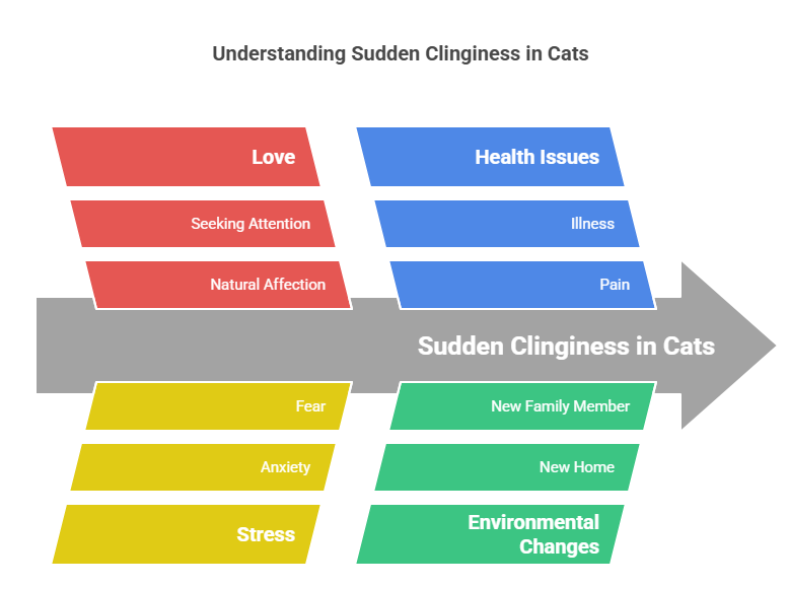
Let’s unravel the mystery behind your cat’s newfound affection—and ensure their well-being.
Table of Contents
Cat Behavior Analyzer
Check your cat’s behaviors to understand their mood, health, and needs
Vocalization
Body Language
Eating Habits
Social Behavior
Litter Box
Activity Level
Section 1: The Nature of Cat Affection
What Does Normal Feline Affection Look Like?
Cats express love in subtle ways. Common affectionate behaviors include:
- Purring – A sign of contentment.
- Kneading – Reminiscent of kittenhood nursing.
- Head-butting (bunting) – Scent-marking to claim you.
- Following you – They enjoy your company.
Normal vs. Excessive Affection:
- Typical: Occasional cuddles, short lap sessions.
- Excessive: Constant following, demanding attention, refusing to leave your side.
Did You Know? Some breeds (like Ragdolls and Siamese) are naturally more affectionate than others.
Section 2: Possible Reasons Your Cat Is Overly Affectionate
1. They’re Bonding With You
Cats show love in subtle ways. If your cat follows you, kneads, or purrs loudly, they’re reinforcing their bond with you.
- Slow blinking = “I trust you.”
- Head-butting = “You’re mine.”
- Kneading = A sign of comfort.
Expert Tip: “Affectionate behavior strengthens the human-cat bond. Enjoy it—it means they see you as family.” — Dr. Sarah Ellis, Feline Behaviorist.
2. They’re Marking Their Territory
Cats have scent glands on their cheeks, paws, and tail. Rubbing against you spreads their scent, claiming you as theirs.
- If they’re extra clingy, they might feel the need to re-mark you.
- Multi-cat households increase this behavior due to competition.
3. They Sense Your Emotions
Cats are intuitive. If you’re stressed or sad, they may comfort you.
- Studies show cats mirror human emotions.
- Purring can lower stress hormones in humans.
4. They’re Seeking Warmth or Food
Cats love warmth—your lap is the perfect spot. They might also associate cuddles with mealtime.
- Does affection spike before feeding time? They’re hinting!
- Older cats seek warmth due to lower body heat.
5. Underlying Health Issues
Sudden clinginess can signal pain or illness.
| Symptom | Possible Issue |
|---|---|
| Excessive meowing | Hyperthyroidism |
| Restlessness | Pain or discomfort |
| Hiding after affection | Anxiety or illness |
Expert Tip: “If your cat’s behavior changes drastically, a vet visit is crucial.” — Dr. Karen Becker, Veterinarian.
6. Aging and Cognitive Decline
Senior cats may become clingy due to:
- Dementia (confusion increases dependency).
- Loss of vision/hearing (they rely on you more).
7. Stress or Anxiety
Changes like moving, new pets, or loud noises can make cats seek reassurance.
- Signs of stress: Over-grooming, hiding, or sudden affection.
- Solution: Provide safe spaces and pheromone diffusers.
8. Socialization and Personality
- Early bonding: Cats raised with frequent human contact tend to be more affectionate.
- Genetics: Some cats are simply “people-oriented” by nature.
9. Health Considerations
Sudden clinginess may signal:
- Pain or discomfort (e.g., arthritis, dental issues).
- Hyperthyroidism (increased hunger and neediness).
- Cognitive decline (senior cats seeking reassurance).
Expert Tip: “If your cat’s behavior changes abruptly, a vet visit is essential.” — Dr. Jane Brunt, Feline Veterinarian.
9. Environmental Factors
- Stressors (new pet, moving, loud noises).
- Loneliness (if left alone for long hours).
- Weather changes (cold cats seek warmth).
| Trigger | Behavioral Response |
|---|---|
| New pet | Clinginess due to insecurity |
| Owner’s stress | Mirroring human emotions |
| Boredom | Seeking interaction |
Section 3: When to Be Concerned
Red Flags in Affectionate Behavior
While extra love is usually harmless, watch for:
✔ Sudden aggression after cuddles (could indicate pain).
✔ Excessive vocalization (may signal illness).
✔ Weight loss with clinginess (check for hyperthyroidism).
When to See a Vet:
- If clinginess is paired with lethargy, vomiting, or appetite changes.
- If your cat seems anxious or disoriented.
Section 4: How to Respond to an Overly Affectionate Cat
1. Enjoy the Love (But Set Boundaries)
- Reward calm affection with gentle pets.
- Ignore demanding behavior to avoid reinforcing it.
2. Provide Mental Stimulation
- Interactive toys (feather wands, puzzle feeders).
- Window perches for entertainment.
3. Maintain a Routine
- Consistent feeding and playtimes reduce anxiety.
Pro Tip: “A tired cat is a happy cat. Play sessions reduce attention-seeking behavior.” — Jackson Galaxy, Cat Behaviorist.
Conclusion: Is Your Cat’s Affection Normal?
Most cats show love on their terms. If your feline is suddenly clingy, observe their habits—are they eating, playing, and behaving normally? If yes, enjoy the extra snuggles!
But if something feels off, trust your instincts. A quick vet visit ensures your cat stays healthy and happy.
Has your cat become overly affectionate? Share your story in the comments!
Have any questions about Affectionate Behavior in Cats? Place your questions at comment section.
What other thing do you want to know about Affectionate Behavior in Cats?
FAQs Understanding Overly Affectionate Behavior in Cats
Why is my cat suddenly more affectionate than usual?
Sudden clinginess can reflect comfort seeking, stress, environmental changes, or illness. Look for other behavior changes.
Is an overly affectionate cat always happy?
Not always. Affection can be normal, but sudden changes may signal stress or a health problem.
What normal behaviors show that a cat trusts me?
Slow blinking, relaxed body posture, kneading, purring, and voluntary contact can indicate comfort and trust.
Can stress make a cat become more clingy?
Yes. Moving, new pets, loud noises, and routine changes can increase reassurance-seeking behavior.
Can illness cause sudden clinginess in cats?
Yes. Pain or illness can change social behavior. Watch for appetite, activity, grooming, or elimination changes.
Why does my cat follow me everywhere?
Your cat may enjoy your company, seek attention, want food, or feel anxious when separated. Personality also plays a role.
Should I encourage my cat to be affectionate?
Encourage calm interaction when your cat chooses it. Avoid forcing contact because cats need control over interactions.
How can I help an anxious or clingy cat?
Maintain predictable routines, provide safe hiding places, and add appropriate enrichment. Reduce avoidable stressors.
When should I take an unusually affectionate cat to a veterinarian?
Seek veterinary advice when clinginess appears suddenly or occurs with lethargy, vomiting, appetite changes, pain, or disorientation.
Can senior cats become more affectionate?
Yes. Aging, sensory changes, anxiety, or cognitive changes can affect social behavior. New changes deserve veterinary attention.