
Supplements are widely used, but do they work? Science provides clear answers. Many supplements offer proven benefits, while others lack substantial evidence. This article explores the facts and scientific evidence of supplements. You’ll discover which supplements are backed by research and which ones to avoid. We’ll cover vitamins, minerals, and herbal supplements. By the end, you’ll make informed choices for better health. Let’s dive into the science.
Table of Contents
Scientific Evidence & Buy Link Checker
Understanding Supplements: Science vs. Hype
Dietary supplements include vitamins, minerals, herbs, and other nutrients. Scientific evidence varies widely across ingredients, so research and safety checks matter before buying. The NCCIH guidance on using dietary supplements wisely explains evidence, safety, and interactions. You can also compare related options with our Weight Loss Supplements Comparison.
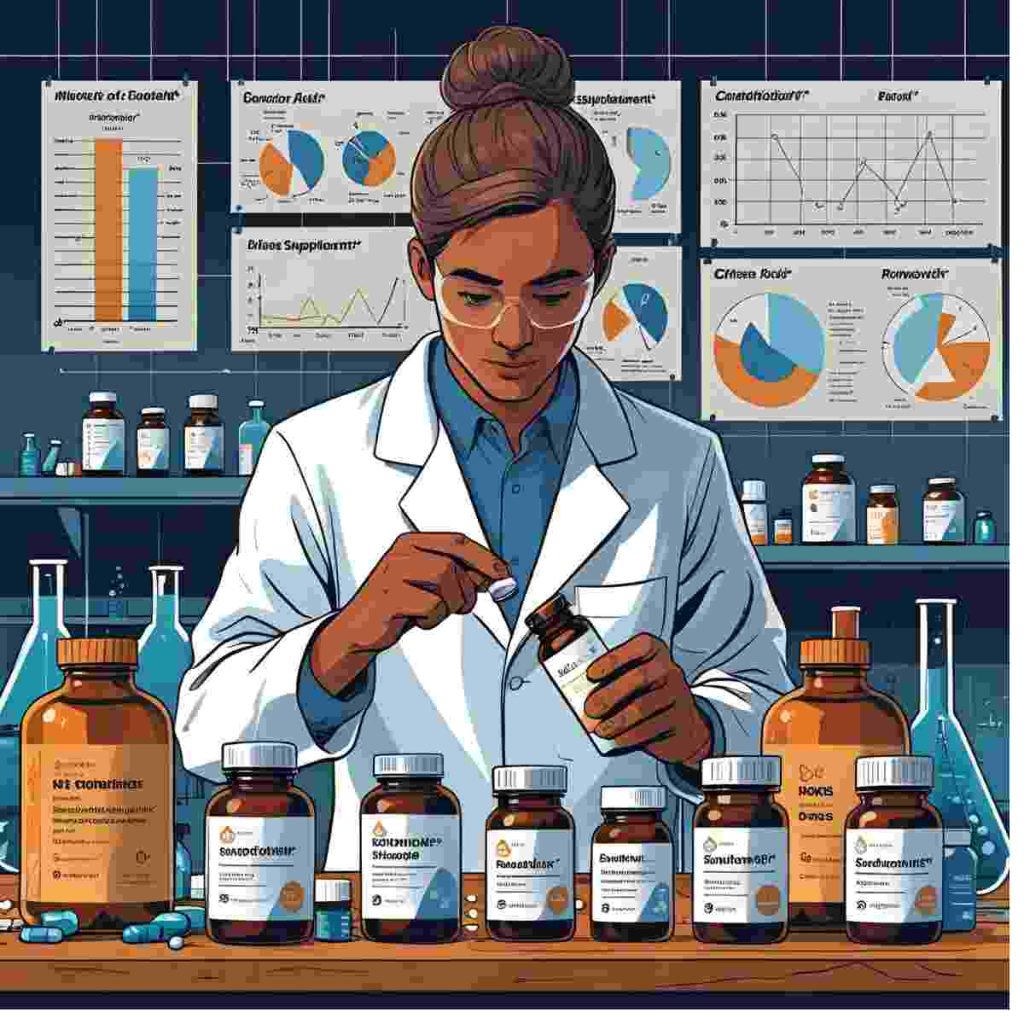
Top Science-Backed Supplements
1. Vitamin D Supplements
Vitamin D deficiency is common worldwide. Research shows it strengthens bones and immunity. Studies link it to lower infection risks. Sunlight helps, but supplements ensure optimal levels.
2. Omega-3 Fatty Acids
Omega-3s support heart and brain health. Clinical trials confirm they reduce inflammation. Fish oil supplements are a popular choice for many.
3. Probiotics
Probiotics improve gut health and digestion. Research suggests they boost immunity. Look for strains like Lactobacillus and Bifidobacterium for best results.
4. Magnesium
Magnesium aids muscle function and sleep. Studies show it reduces stress and migraines. Many people don’t get enough from diet alone.
5. Creatine
Creatine enhances muscle strength and performance. Athletes use it for faster recovery. Science confirms its safety and effectiveness.
Supplements with Limited Evidence
Some supplements lack strong scientific backing. For example, detox teas often overpromise. Similarly, many weight-loss supplements have weak evidence. Always research before trying new products.
How to Choose the Right Supplement
Check for third-party testing. Look for USP or NSF certifications. Consult a doctor before starting new supplements. Avoid mega-doses, as they can be harmful.
Potential Risks of Overusing Supplements
Excess vitamins can cause toxicity. For instance, too much vitamin A harms the liver. Some supplements interact with medications. Always follow recommended dosages.
Final Thoughts
Science supports many supplements, but not all. Focus on well-researched options like vitamin D and omega-3s. Stay informed and choose wisely for better health.
FAQs Scientific Evidence Of Supplements Checker
Are supplements FDA-approved?
No, the FDA does not approve supplements before they are sold. They only regulate claims and safety issues.
Can supplements replace a healthy diet?
No, supplements should complement, not replace, a balanced diet. Whole foods provide essential nutrients.
Do vitamin D supplements boost immunity?
Yes, studies show vitamin D strengthens immune function and reduces infection risks.
Are herbal supplements scientifically proven?
Some, like ashwagandha, have research support. Others lack strong evidence, so check studies first.
Can too many supplements be harmful?
Yes, excessive intake can cause toxicity. Always follow dosage guidelines.
Do probiotics help with digestion?
Yes, probiotics improve gut health and may ease bloating and constipation.
Should athletes take creatine?
Yes, creatine is proven to enhance strength and muscle recovery in athletes.
How can I tell if a supplement has strong scientific evidence?
Look for well-designed human trials, systematic reviews, and consistent results. Third-party testing can also support product quality.
Are supplement claims always supported by clinical studies?
No. Marketing claims may exceed the available evidence. Check the quality, size, and relevance of human studies.
Should I consult a doctor before starting a supplement?
Yes, especially if you take medicines or have a medical condition. A clinician can help identify interactions and appropriate doses.