
The topic “Russian Gymnast Diet Snack & Meal Suggestions” focuses on how elite Russian gymnasts fuel their bodies for strength, flexibility, and endurance. This diet emphasizes lean proteins, nutrient-rich snacks, complex carbohydrates, and hydration strategies. By following carefully structured meals and snacks, athletes maintain peak performance while balancing energy, recovery, and body composition.
Table of Contents
Free Tool
Russian Gymnast Diet Snack & Meal Suggestions
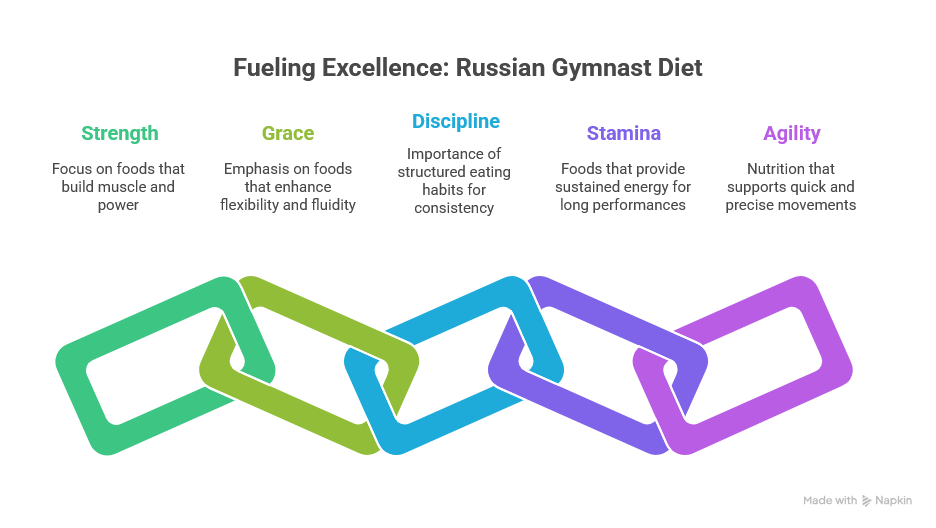
When you hear the phrase Russian Gymnast Diet Snack & Meal Suggestions, you immediately think of strength, grace, and discipline. Gymnasts in Russia have long been admired for their power and artistry, and their nutrition plays a vital role in this excellence. What do these athletes eat to maintain such high levels of stamina and agility? This article explores research-backed Russian Gymnast Diet Snack & Meal Suggestions, offering valuable insights for athletes, fitness enthusiasts, and anyone looking to fuel their body like a professional.
Why the Russian Gymnast Diet Matters?
Every movement in gymnastics requires explosive energy, balance, and recovery. The Russian Gymnast Diet Snack & Meal Suggestions are built around nutrient-dense foods that fuel performance while preventing fatigue. According to sports nutritionist Dr. Marina Lebedeva, “Proper nutrition for gymnasts is not about eating less, but about eating smart.”
These guidelines balance:
- Protein for muscle repair
- Carbohydrates for energy
- Healthy fats for endurance
- Vitamins and minerals for recovery
Core Principles of the Russian Gymnast Diet
The Russian Gymnast Diet Snack & Meal Suggestions typically emphasize:
- Small, Frequent Meals – to maintain stable energy levels.
- Clean Eating Habits – prioritizing fresh fruits, vegetables, lean proteins, and whole grains.
- Controlled Portions – avoiding overeating while meeting energy needs.
- Hydration – regular water intake, often infused with lemon or berries.
These principles keep gymnasts light, strong, and flexible.
Breakfast Ideas: Power for the Day
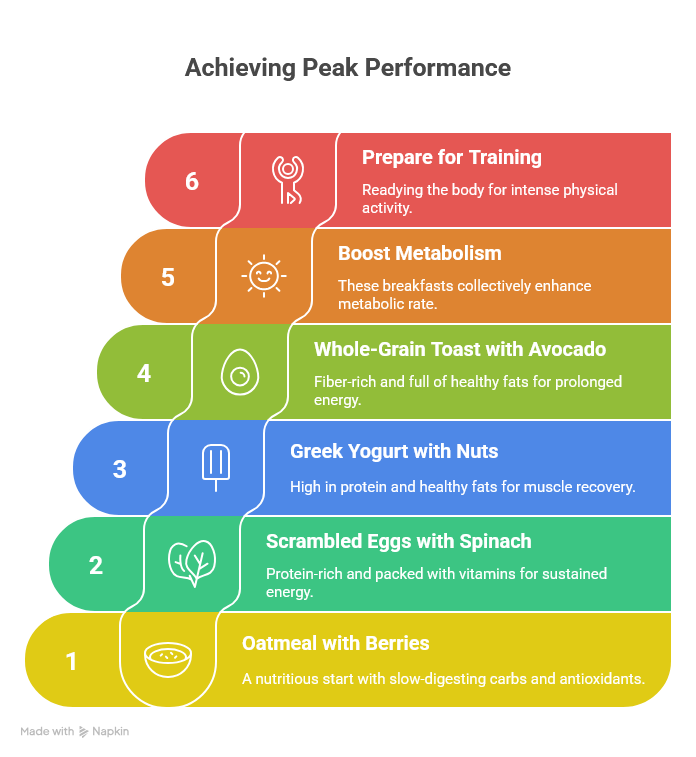
The day often starts with a balance of proteins and slow-digesting carbs. Examples include oatmeal with berries and honey, scrambled eggs with spinach, Greek yogurt with nuts, and whole-grain toast with avocado.
Smart Snacks for Gymnasts
Snacks are an essential part of the Russian Gymnast Diet. They provide steady energy and prevent mid-training fatigue.
- Almonds with dried apricots
- Rice cakes with cottage cheese
- Banana with peanut butter
- Carrot sticks with hummus
Pro Tip: Snacks should be light yet nutrient-packed.
Lunch: Balanced Midday Fuel
A gymnast’s lunch focuses on lean protein, whole grains, and colorful vegetables. Common choices include grilled chicken with quinoa and broccoli, salmon with brown rice and spinach, lentil soup with whole-grain bread, and turkey wraps with fresh vegetables.
Dinner: Recovery-Focused Meals
Evenings are about recovery. Gymnasts need meals rich in protein and micronutrients. Dinner options include baked cod with sweet potato and green beans, stir-fried vegetables with tofu, lean beef with roasted vegetables, and chicken with zucchini noodles.
Hydration and Energy Drinks
Hydration plays a huge role in performance. Gymnasts usually prefer water, herbal teas, and appropriate electrolyte drinks. Sports experts discourage relying on sugary sodas or artificial energy boosters.
Supplements and Special Considerations
Although food comes first, supplements like Vitamin D, Omega-3, and Magnesium are sometimes used. Supplements should not replace whole foods, and athletes should seek qualified professional advice before using them.
Sample Russian Gymnast Diet Snack & Meal Plan
Below is a helpful table that outlines a typical daily meal structure:
| Time of Day | Meal Example | Purpose |
|---|---|---|
| Breakfast | Oatmeal with berries & yogurt | Long-lasting energy |
| Morning Snack | Rice cakes with cottage cheese | Quick fuel |
| Lunch | Salmon with brown rice & spinach | Balanced performance |
| Afternoon Snack | Banana with peanut butter | Recovery & energy |
| Dinner | Grilled chicken with vegetables | Muscle repair |
| Evening Snack | Herbal tea with nuts | Light recovery |
Key Takeaways from Russian Gymnast Diet Snack & Meal Suggestions
- Prioritize whole, fresh foods over processed items.
- Use snacks as energy bridges between training sessions.
- Balance protein, carbs, and healthy fats in each meal.
- Focus on hydration throughout the day.
- Keep meals light, frequent, and nutrient-rich.
Final Thought
The Russian Gymnast Diet Snack & Meal Suggestions are more than just food choices. By adopting balanced nutrition principles, athletes and fitness enthusiasts can support stamina, recovery, and performance.
FAQs Russian Gymnast Diet Snack & Meal Suggestions-Free Tool
What do Russian gymnasts typically eat?
There is no single Russian gymnast diet. Athletes generally need balanced meals with carbohydrates, protein, fats, vegetables, and adequate fluids.
What are good pre-training snacks for gymnasts?
Easy-to-digest choices include a banana, yogurt, toast, or a small oatmeal serving. Choose portions based on training intensity.
How much protein does a gymnast need?
Needs vary by age, body size, training load, and goals. A sports dietitian can calculate an appropriate daily target.
Are carbohydrates important for gymnastics?
Yes. Carbohydrates provide readily available fuel for training, especially during longer or intense sessions.
Should gymnasts avoid fats?
No. Healthy fats support normal body functions and help provide essential fatty acids. Portion size should match energy needs.
What should a gymnast eat after training?
A recovery meal should combine protein with carbohydrates. Add fluids and nutrient-rich foods to support recovery.
How often should gymnasts eat?
Meal timing should fit training schedules and individual needs. Some athletes benefit from regular meals with planned snacks.
What should gymnasts drink during training?
Water is often appropriate for shorter sessions. Longer or very intense training may require electrolytes or carbohydrates.
Are supplements necessary for gymnasts?
Not always. Supplements should address documented needs and should be discussed with a qualified healthcare or sports nutrition professional.
Can this tool create a personalized gymnast diet?
No. It provides general meal ideas rather than individualized nutrition advice. Children and competitive athletes need professional guidance.
Disclaimer: This tool is educational only and does not replace individualized medical or sports nutrition advice.