
Healing is a deeply personal journey, and progress isn’t always linear. Whether you’re recovering from physical illness, emotional trauma, or simply working toward better well-being, tracking your progress can provide clarity, motivation, and a sense of accomplishment. Our Healing Progress Self-Assessment Tool is designed to help you monitor your daily well-being across key areas—physical, emotional, mental, and social health—so you can recognize patterns, celebrate growth, and stay committed to your healing process.
Table of Contents
Healing Progress Self-Assessment Tool
Track your daily healing journey with this comprehensive assessment
Physical Well-being
Emotional Well-being
Mental Well-being
Daily Notes
Healing Tips
“Celebrate small victories – healing is a journey with many steps.”
“Practice self-compassion – speak to yourself as you would to a dear friend.”
“Rest is productive – your body heals during periods of relaxation.”
Why Use a Healing Progress Self-Assessment Tool?
Many people struggle to measure their healing because it happens gradually. Unlike physical wounds, emotional and mental recovery can be harder to quantify. This tool provides a structured way to:
- Gain Awareness – By rating different aspects of your well-being daily, you become more mindful of what improves or hinders your progress.
- Identify Patterns – Over time, you may notice trends, such as better sleep leading to improved mood or stress affecting your energy levels.
- Stay Motivated – Seeing progress, even minor improvements, can boost your confidence and commitment to self-care.
- Adjust Your Approach – If certain areas consistently score low, consider exploring new strategies, such as therapy, relaxation techniques, or lifestyle changes, to address them.
How the Tool Works
Our Healing Progress Self-Assessment Tool is simple yet powerful:
- Rate Your Well-Being – Adjust sliders in four key categories:
- Physical (energy, sleep, comfort)
- Emotional (mood, stress, resilience)
- Mental (clarity, focus, positivity)
- Social (connections, belonging, communication)
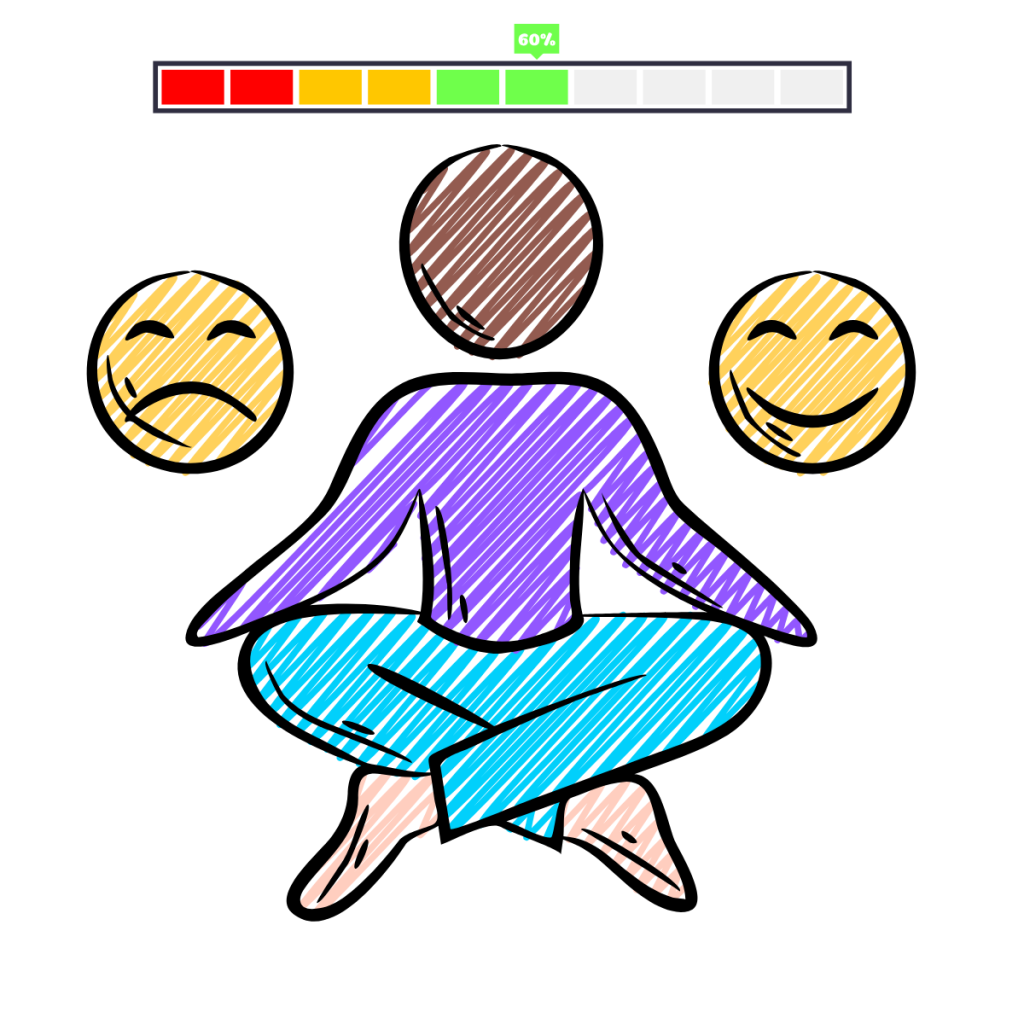
2. See Your Progress Instantly – The tool calculates an overall healing percentage and displays it on a dynamic progress bar.
3. Add Daily Notes – Jot down observations, breakthroughs, or challenges to reflect on later.
4. Save & Track Over Time – Your entries are stored, allowing you to review past assessments and spot long-term trends in a visual chart.
6. Get Encouragement – Inspirational healing tips rotate to keep you motivated.
Who Can Benefit?
This tool is for anyone on a healing journey, including:
- People recovering from illness, injury, or surgery
- Those managing stress, anxiety, or depression
- Individuals working through grief or trauma
- Anyone focused on personal growth and self-improvement
Start Tracking Today
Healing is not about perfection—it’s about progress. By using this self-assessment tool regularly, you can develop a deeper understanding of your well-being, make informed adjustments, and celebrate every step forward.
Try it now and take control of your healing journey!
(Embed the Healing Progress Self-Assessment Tool above to let readers begin immediately.)
FAQs Healing Progress Self-Assessment Tool
What does a healing progress self-assessment tool measure?
A healing self-assessment tracks personal well-being across areas such as physical, emotional, mental, and social health.
How often should I use a healing self-assessment tool?
Daily or weekly tracking can reveal useful patterns. Choose a schedule that feels practical and sustainable.
Can self-assessment show whether I am healing?
Self-assessment can highlight changes over time. It cannot medically confirm healing or diagnose a condition.
What areas should I track during recovery?
Track relevant areas such as energy, sleep, comfort, mood, stress, focus, and social connection.
Can tracking healing progress improve motivation?
Yes, tracking can make small improvements easier to notice. Progress records may encourage consistent self-care.
Should I write notes with my daily assessment?
Yes, brief notes can explain changes in your scores. Record symptoms, activities, sleep, or significant events.
Can stress affect healing progress scores?
Yes, stress can influence mood, sleep, energy, and perceived well-being. Tracking may help identify these patterns.
Can this tool diagnose anxiety or depression?
No, a self-assessment tool cannot diagnose anxiety or depression. A qualified professional should evaluate persistent symptoms.
When should I seek professional help during recovery?
Seek professional help when symptoms worsen, persist, or interfere with daily activities. Urgent symptoms require prompt medical attention.
Can I use this tool with professional treatment?
Yes, tracking can complement professional care. Share relevant patterns with your healthcare provider.