
Baby tooth split: A baby tooth can split in half due to trauma, decay, weak enamel, or natural exfoliation. While sometimes harmless as the tooth prepares to fall out, a split tooth may require dental attention if it causes pain, infection risk, or interferes with permanent teeth development.
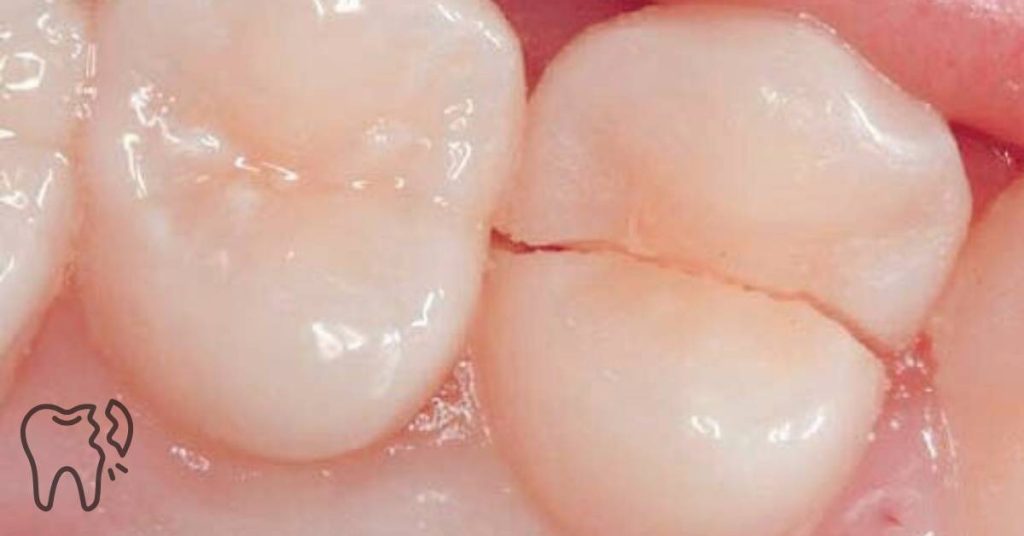
Baby teeth, also known as primary teeth, play a crucial role in a child’s oral development. They help with chewing, speaking, and guiding permanent teeth into their proper position. However, sometimes a baby tooth can split in half, causing pain and concern for parents and children alike. This article explores the reasons why a baby tooth might split, how to prevent it, and what to do if it happens.
Table of Contents
“Mommy, My Tooth Broke in Half!” – Should You Worry?
Discovering your child’s baby tooth split in half can be alarming. But is it an emergency? The answer depends on why it happened and your child’s symptoms. Let’s explore the common causes and when to call the dentist.
Baby Tooth Condition Checker
🦷 Baby Tooth Condition Checker
Select all symptoms your child is experiencing:
Top 5 Reasons Baby Teeth Split
1. Trauma (Most Common Cause)
Falls, sports injuries, or biting complex objects can crack baby teeth. The front teeth are most vulnerable.
What to do:
✔ Check for pain or bleeding
✔ Save any tooth fragments
✔ Visit the dentist if sharp edges remain
Expert Tip:
“Even if it’s ‘just a baby tooth,’ trauma can affect developing permanent teeth underneath. Always get it checked.”
— Dr. Lisa Chen, Pediatric Dentist

2. Severe Tooth Decay
Untreated cavities weaken tooth structure, making teeth prone to splitting. Decay often starts between teeth where brushes can’t reach.
Warning Signs:
- Brown/black spots on the tooth
- Complaints of tooth pain
- Bad breath that won’t go away
3. Brittle Teeth Conditions
Rare conditions like dentinogenesis imperfecta cause abnormally weak teeth that fracture easily.
4. Natural Exfoliation (Tooth Falling Out)
As permanent teeth push up, baby tooth roots dissolve. This can make the crown appear to “split” as it loosens.
Normal vs. Problem Signs:
| Sign | Normal Shedding | Problem Needing Dentist |
| Pain Level | Mild discomfort | Severe pain |
| Bleeding | Minimal | Excessive |
| Tooth Color | Slightly wiggly | Dark/discoloured |
| Gum Appearance | Normal | Swollen/red |
5. Night Grinding (Bruxism)
Constant grinding wears down enamel, increasing fracture risk. About 30% of kids grind their teeth.
Solution:
- Ask your dentist about a night guard
- Address stress triggers
6. Tooth Decay (Cavities):
- When cavities weaken the structure of a tooth, it becomes more susceptible to fractures.
- Untreated decay can lead to the tooth breaking or splitting under minimal pressure.
7. Trauma or Injury:
- Falls, accidents, or biting down on something hard can cause a baby tooth to crack or split.
- Children who are active in sports or rough play are more prone to dental injuries.
8. Weak Tooth Enamel:
Some children may have weaker enamel due to genetic factors or conditions like enamel hypoplasia, making their teeth more vulnerable to fractures.
9. Grinding or Clenching (Bruxism):
Some children grind their teeth at night, putting excessive pressure on them and leading to fractures over time.
10. Large Fillings or Dental Work:
If a baby tooth has a large filling or past dental work, it may weaken the tooth’s structure and lead to splitting.
11. Natural Resorption (Tooth Loss Process):
As permanent teeth develop, the roots of baby teeth naturally dissolve, making them more fragile and prone to breaking.
Let’s try the following excellent TOOL
Is This a Dental Emergency?” Checker
🦷 Is This a Dental Emergency? Checker

Prevention Tips
To reduce the risk of a baby tooth splitting, consider the following preventive measures:
Maintain Good Oral Hygiene:
Brush twice a day with fluoride toothpaste and floss regularly to prevent cavities and decay.
Regular Dental Checkups:
Visit the dentist every six months for professional cleanings and checkups to catch early signs of decay or weakness.
Use a Mouthguard:
If your child plays contact sports, a custom-fitted mouthguard can help protect their teeth from injury.
Avoid Hard Foods:
Encourage your child to avoid chewing on hard candies, ice, or other tough foods that may cause cracks.
Manage Bruxism:
If your child grinds their teeth, a dentist may recommend a nightguard to prevent excessive pressure on baby teeth.
Proper Nutrition:
Ensure your child eats a balanced diet rich in calcium and vitamin D to support strong tooth enamel.
Treatment Options for a Split Baby Tooth
- If a baby tooth has already split in half, treatment depends on the severity of the fracture:
Minor Cracks:
- If the crack is small and does not cause pain, a dentist may smooth the area or apply a protective dental sealant.
Partial Fracture:
- If part of the tooth is still intact, the dentist may try to repair it with a dental filling or crown.
Severe Split or Full Break:
- In cases where the tooth is completely split, extraction may be necessary to prevent infection and pain.
- If the permanent tooth is not ready to erupt, a space maintainer might be used to prevent the shifting of other teeth.
Pain Management:
- Over-the-counter pain relievers, cold compresses, and soft foods can help ease discomfort until treatment is provided.
FAQS on “Why Did My Baby’s Tooth Split in Half?”
Parents often panic when their child’s baby tooth cracks or splits. Below, we answer the most searched questions—including some that aren’t well-covered elsewhere—with expert-backed information.
Is a Split Baby Tooth an Emergency?
Not always. If the tooth was already loose and there was no pain or swelling, it was likely just natural shedding. But if there was bleeding, sharp edges, or signs of infection (fever, pus), see a dentist ASAP.
What Causes Baby Teeth to Split in Half?
Top reasons:
✔ Trauma (falls, biting complex objects)
✔ Severe decay (weakens tooth structure)
✔ Natural loosening (root dissolving for permanent tooth)
✔ Night grinding (bruxism)
✔ Rare genetic conditions (e.g., dentinogenesis imperfect)
Can a Split Baby Tooth Be Repaired?
Usually no. Unlike adult teeth, baby teeth aren’t filled or crowned unless necessary. Dentists typically:
- Monitor if harmless
- Extract if sharp or infected
- Prescribe space maintainers if lost too early
My Child Swallowed Half the Tooth—What Now?
Don’t panic! Baby tooth fragments are small and usually pass safely. Call a doctor only if your child:
- Choked/gagged during swallowing
- Develops breathing issues or severe stomach pain
Will a Split Tooth Affect the Permanent Tooth?
Rarely. Unless there’s:
- Infection that spreads to the adult tooth bud
- Early loss causing misalignment (needing a space maintainer)
Expert Quote:
“Most split baby teeth don’t harm permanent teeth—unless trauma damaged the underlying jawbone.”
—Dr. Rachel Wong, Pediatric Dentist
Why Did My Child’s Tooth Split Without Trauma?
Hidden causes:
- “Invisible” decay between teeth
- Brittle enamel from poor nutrition or illness
- Night grinding wearing down the tooth over time
How to Tell If a Split Tooth Is Infected?
Watch for:
🔴 Swollen, red gums
🔥 Persistent pain
🤒 Fever or bad taste (pus)
⚫ Darkening of the tooth
Can a Dentist Glue a Split Baby Tooth Back?
No. Unlike permanent teeth, baby teeth:
- They aren’t strong enough for bonding
- Will fall out soon anyway
Exception: Rare stainless steel crowns for cracked molars.
My Toddler’s Tooth Split After a Fall—What’s Next?
- Rinse with warm water
- Save fragments (if possible)
- Apply gauze if bleeding
- Call the dentist, even if no pain, to check for root damage
Why Is the Split Tooth Turning Grey?
Gray = internal bleeding or dying nerve. Common after trauma.
✔ If loose, May fall out naturally
❌ If painful/swollen: Needs extraction
Do Split Baby Teeth Always Need Extraction?
No! If:
- The tooth was already wiggly
- No sharp edges remain
- No infection is present
…just let nature take its course.
Can a Vitamin Deficiency Cause Brittle Baby Teeth?
Yes! Lack of:
- Vitamin D (weakens enamel)
- Calcium (essential for strong teeth)
- Vitamin C (affects gum health)
Fix: Dairy, leafy greens, and pediatric vitamins.
My Child Grinds Teeth—Could That Cause Splitting?
Absolutely. Chronic grinding (bruxism):
- Wears down enamel
- Creates micro-cracks that grow
Solution: Ask your dentist about a soft night guard.
How to Prevent Baby Teeth from Splitting?
✅ Avoid hard foods (ice, hard candy)
✅ Use fluoride toothpaste to strengthen enamel
✅ Treat cavities early
✅ Wear mouthguards for sports
Will the Permanent Tooth Grow in Crooked Now?
Not necessarily. Baby teeth act as placeholders, but:
- Early loss (before age 5-6) may require a space maintainer
- Natural shedding won’t affect alignment
Can a split baby tooth heal on its own?
No, a split tooth cannot heal on its own. A dentist should evaluate the damage and recommend appropriate treatment.
Will a split baby tooth affect my child’s permanent teeth?
If left untreated, a damaged baby tooth can lead to infection, which may affect the developing permanent tooth underneath.
Should I take my child to the dentist if their baby tooth splits?
Yes, a dental visit is necessary to determine the best course of action and prevent further complications.
Can a baby tooth split without pain?
Yes, sometimes a tooth can split without immediate pain, but it may become sensitive over time.
What should I do if my child’s baby tooth splits?
Rinse their mouth with warm water, apply a cold compress, and contact a dentist as soon as possible for evaluation.
Final Tip:
Take a photo of the split tooth to show your dentist—it helps them assess urgency remotely.
Final Words
A split baby tooth can be concerning, but with prompt dental care and preventive measures, you can help protect your child’s oral health. Regular checkups, good hygiene, and avoiding hard foods can reduce the risk of fractures. If your child experiences a split baby tooth, consult a dentist immediately to determine the best treatment and ensure their comfort and well-being.
Need a deeper dive on any point? Let me know! 😊
Did we miss your question? Ask below! 👇