
Cosigning a car (cosign a car loan); the FTC cosigning guidance explains that a cosigner can become responsible for the debt if the borrower defaultsmeans legally agreeing to take responsibility for someone else’s auto loan if they fail to pay. It helps borrowers with poor or no credit qualify for financing. However, cosigners risk their credit score and financial stability if payments are missed.

Table of Contents
The Power and Risk of Cosigning
Ever been asked to cosign a car loan? It’s a big financial decision that can help—or hurt—your credit. Cosigning isn’t just a signature; it’s a binding promise to pay if the primary borrower defaults.
Before saying yes, understand the risks, responsibilities, and rewards. Let’s break it down.
What Does Cosigning a Car Loan Mean?
When you cosign, lenders see you as a backup payer. Your credit and income strengthen the borrower’s application. If they miss payments, you’re on the hook.
Key Points:
- You’re equally responsible for the debt.
- The loan appears on your credit report.
- Late payments hurt your credit score.
Expert Tip: “Cosigning is like co-borrowing—your finances are tied to the loan until it’s paid off.” – Financial Advisor, Jane Carter
Why Do People Need a Cosigner?
Lenders require cosigners when borrowers have:
- Low credit scores
- Limited credit history
- High debt-to-income ratios
A cosigner reduces the lender’s risk, increasing approval chances.
Understanding Cosigning: Roles & Responsibilities
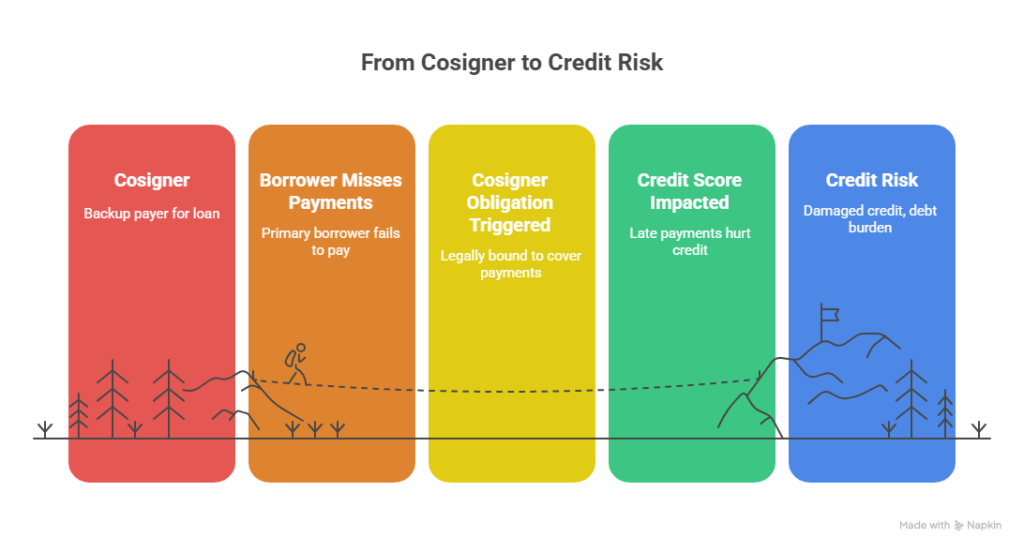
When you cosign, lenders treat you as a backup payer. If the primary borrower misses payments, you’re legally obligated to cover them.
Key Legal Implications:
- The loan appears on your credit report.
- You’re equally responsible for repayment.
- Late or missed payments hurt your credit score.
Expert Insight:
“Cosigning is like signing your name on a dotted line that says, ‘I’ll pay if you can’t.’ It’s not just a recommendation—it’s a binding contract.”
— Michael Tran, Auto Loan Specialist
Cosigner Readiness Quiz
Are you truly ready to cosign a car loan?
Pros and Cons of Cosigning a Car Loan
| Pros | Cons |
|---|---|
| Helps someone build credit | Risk of damaging your credit |
| May improve loan terms (lower interest) | Legal obligation to repay |
| Strengthens family/friend relationships | Potential strain if payments are missed |
What Happens If the Borrower Defaults?
If payments stop, the lender demands money from you. Consequences include:
- Collections calls
- Credit score drops
- Possible legal action
Expert Tip: “Always have a written agreement with the borrower outlining payment responsibilities.” – Auto Loan Specialist, Mark Reynolds.
Steps to Take Before Cosigning
Before saying “yes,” follow these steps:
- Check the Borrower’s Finances – Can they afford monthly payments?
- Review the Loan Terms – Interest rate, repayment period, fees.
- Set Clear Expectations – Who makes payments? What if they’re late?
- Monitor the Loan – Set up payment alerts to stay informed.
Pro Tip: “Always get a written agreement outlining payment responsibilities—it prevents misunderstandings later.”
— Lisa Chen, Financial Advisor
How to Protect Yourself as a Cosigner?
- Check the borrower’s financial stability – Ensure they can afford payments.
- Monitor payments – Set up alerts for due dates.
- Get removal options – Some loans allow cosigner release after timely payments.
Cosigning Risk Calculator
Estimate what you may owe if the borrower defaults
How Cosigning Affects Credit Scores
- For the Borrower: On-time payments boost their credit.
- For the Cosigner: The loan appears as your debt, affecting your debt-to-income ratio.
⚠️ If Payments Are Missed:
- Both credit scores drop.
- Collections may contact you.
- Legal action could follow.
Alternatives to Cosigning
If hesitant, consider:
- Guarantor loans (similar but less binding)
- Subprime auto loans (higher interest, no cosigner needed)
- Buying a cheaper car outright
- Joint Ownership – You co-own the car and share responsibility.
- Secured Credit Cards – Help build credit without a cosigner.
Final Thoughts: Should You Cosign?
Cosigning helps loved ones but comes with risks. Weigh the trust factor against potential financial fallout.
Ask yourself:
- Can I afford this loan if they default?
- Is our relationship strong enough to handle financial disputes?
If unsure, explore safer alternatives.
FAQs What Does It Mean to Cosign a Car? A Complete Guide
1. What Exactly Does It Mean to Cosign a Car Loan?
Cosigning means you legally agree to repay the car loan if the primary borrower fails to do so. Your credit and income help secure the loan, but you’re equally responsible for payments.
2. Does Cosigning Affect My Credit Score?
Yes. The loan appears on your credit report as if it were yours. Late or missed payments hurt both your credit and the borrower’s.
3. Can I Remove Myself as a Cosigner Later?
Some lenders allow cosigner release after 12-24 months of on-time payments. Others require refinancing in the borrower’s name only.
4. What’s the Difference Between a Cosigner and a Co-Borrower?
- Cosigner: Guarantees repayment but doesn’t own the car.
- Co-Borrower: Shares ownership and responsibility for the loan.
5. Can a Cosigner Take the Car If the Borrower Stops Paying?
No. Unless you’re a co-owner, you can’t repossess the car—but you’re still liable for payments.
6. What Happens If the Borrower Defaults?
The lender can:
- Demand payment from you
- Report missed payments to credit bureaus
- Sue you for the balance
7. Do I Need Good Credit to Cosign?
Yes. Lenders check your credit score and income. A strong credit profile (670+) increases approval odds.
8. Can a Cosigner Be on the Car’s Title?
Only if specified in the loan agreement. Most cosigners aren’t on the title unless they’re co-borrowers.
9. How Can I Protect Myself as a Cosigner?
- Sign a written agreement with the borrower
- Monitor payments via lender alerts
- Choose loans with cosigner release clauses
10. Can I Cosign If I Already Have a Car Loan?
Yes, but lenders will check your debt-to-income ratio (DTI). If your DTI exceeds 40-50%, you may be denied.
11. Does Cosigning Count Toward My Debt Obligations?
Yes. Mortgage and auto lenders include cosigned loans in your DTI, which can affect future loan approvals.
12. What If the Borrower Dies or Files Bankruptcy?
You’re still responsible for the loan unless the lender agrees to discharge it (rare).
13. Can a Parent Cosign for an Adult Child?
Yes, and it’s common for young adults with no credit. However, parents risk their retirement savings if payments fail.
14. Are There Alternatives to Cosigning?
- Subprime auto loans (higher interest, no cosigner)
- Buy-here-pay-here dealers (in-house financing)
- Credit unions (more flexible terms)
15. Should I Ever Cosign for a Car?
Only if:
✔ You fully trust the borrower
✔ You can afford payments if they default
✔ You’ve reviewed all loan terms
Can a Cosigner Refinance the Loan Alone?
Yes, but only if the lender approves. You’d need to qualify based on your credit and income.
Does Cosigning Affect My Ability to Get a Mortgage?
Potentially. Lenders see cosigned debt as your obligation, which may reduce your borrowing power.
What If the Borrower Refuses to Make Payments?
You must pay to avoid credit damage. Legal action against the borrower is possible but costly.
Does cosigning affect my credit score?
Yes, the loan appears on your report, impacting your debt-to-income ratio.
Can I remove myself as a cosigner later?
Some lenders allow it after a set period of on-time payments.
What’s the difference between cosigning and co-borrowing?
Co-borrowers share ownership; cosigners only guarantee repayment.
Conclusion
Cosigning a car loan is a significant financial commitment. While it can help someone you care about, protect yourself first. Always read the fine print and consider backup plans.
Need expert advice? Consult a financial advisor before signing.
Need More Help? Drop your questions below—we’ll answer them! 🚗💡
Need More Info? Check out:
- USA.gov – Loans
A general portal that links to federal resources about different loan types and what it means to cosign. - National Credit Union Administration (NCUA) – Understanding Co-signing
Covers what to consider before agreeing to cosign and how it can impact your finances. - U.S. Department of Education – Cosigning for Student Loans vs. Car Loans
While focused on student loans, this page explains key cosigning principles that also apply to auto loans.
Call to Action
Have you cosigned a car loan? Share your experience below.
Still unsure? Drop your questions—we’re here to help.
1 thought on “What Does It Mean to Cosign a Car? A Complete Guide”