
When a cat purrs, it usually signals contentment but can also mean stress, pain, or self-healing. Purring is a complex form of feline communication.
Did you know? Not all cats can purr! Big cats like lions and tigers roar but cannot produce the same continuous purr as domestic cats.
Understanding why cats purr can deepen your bond with your feline friend. Let’s explore the science, behavior, and hidden meanings behind this fascinating sound.
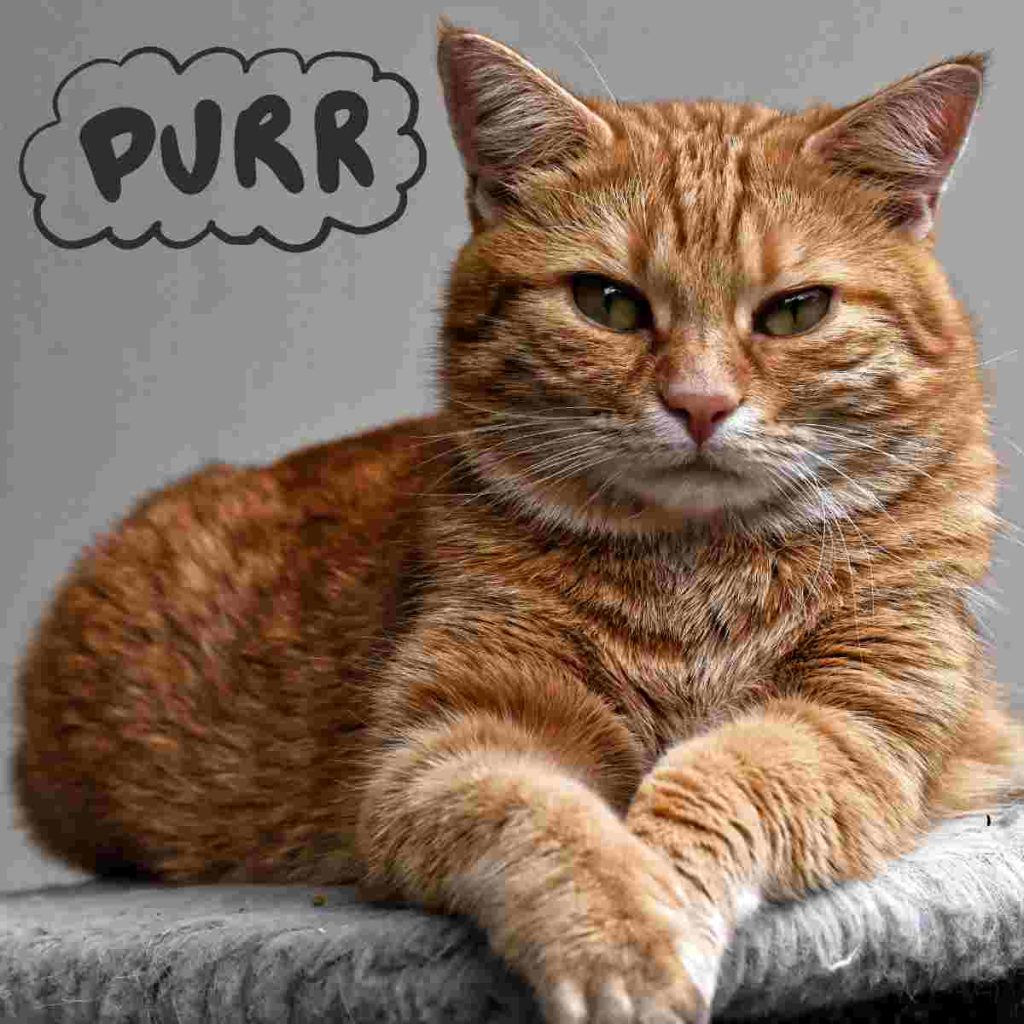
Table of Contents
How Do Cats Purr? The Physiology Behind the Sound
Unlike meowing or hissing, purring is produced differently. Here’s how it works:
- Laryngeal muscles & diaphragm control: Purring originates in the cat’s voice box (larynx). The brain sends signals that cause the vocal cords to vibrate rapidly (20-150 Hz) during both inhalation and exhalation, creating that steady rumble.
- No full vocal cord closure: Unlike meows, purring doesn’t require complete vocal cord closure, allowing continuous sound.
Fun Fact: Some scientists believe purring may stimulate bone and muscle repair due to its low-frequency vibrations.
Cat Purring Analyzer & Mood Tracker
Understand your cat’s purring and track your daily mood and energy levels
Cat Purring Analysis
Purring Analysis Result
Understanding Cat Purring
A soft, steady purr usually indicates your cat is happy and content, especially when being petted or resting comfortably.
Cats purr at frequencies (25-150Hz) that can promote healing, reduce pain, and even help with bone growth.
Irregular or high-pitched purring in tense situations may indicate stress or discomfort rather than happiness.
Track Your Mood & Energy
Mood Saved Successfully
Mood Improvement Tips
Interacting with cats can lower stress hormones and increase serotonin and dopamine levels.
Just 10 minutes of walking can significantly improve mood and energy levels.
Music with 50-80 beats per minute can help synchronize brain waves to a relaxed state.
Your Mood History
Mood Patterns
Track your mood over weeks to identify patterns related to specific days or activities.
Many people experience mood changes with weather patterns – note these in your entries.
Certain foods can impact mood. Track your diet alongside mood for potential correlations.
Why Do Cats Purr? The Hidden Meanings Behind That Soothing Sound
Ever wondered why your cat purrs like a tiny motor? That gentle rumble is more than just a sign of happiness—it’s a fascinating mix of emotion, survival, and healing.
Cats purr for various reasons, from expressing joy to soothing themselves in stressful situations. Let’s decode the mystery behind this unique feline behavior.
1. Happiness & Comfort – The Classic Purr
Most often, purring means your cat is relaxed and happy.
- Kittens purr while nursing, bonding with their mother.
- Adult cats purr when petted, cuddled, or lounging in their favorite spot.
Expert Tip: “A slow, steady purr during lap time usually means your cat feels safe and loved.” — Dr. Jane Miller, Feline Behaviorist.
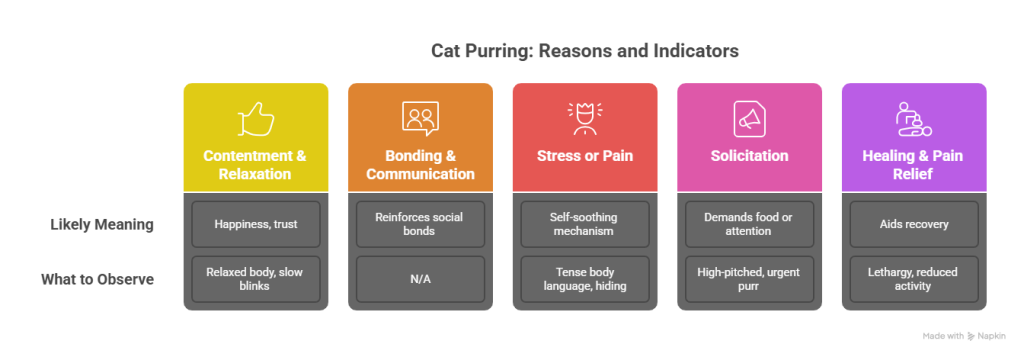
2. Stress & Anxiety – The Nervous Purr
Surprisingly, cats also purr when anxious or scared.
- Vet visits, car rides, or new environments may trigger stress purring.
- Look for tense body language (flattened ears, dilated pupils) alongside purring.
Did You Know? Some cats purr to self-soothe, much like humans hum when nervous.
Watch for: Tense body language, hiding, or excessive purring with no apparent cause.
3. Healing & Pain Relief – The Power of Vibrations
Research suggests purring may help cats recover faster.
- Low-frequency purrs (25-150 Hz) promote bone and tissue healing.
- Cats often purr when injured or sick, possibly speeding up recovery.
Expert Insight: “Purring could be nature’s way of keeping cats healthy during long periods of rest.” — Dr. Sarah Ellis, Feline Biologist.
4. Communication – The “Feed Me” Purr
Some cats develop a manipulative purr to get what they want.
- A high-pitched, urgent purr often means “feed me now!”
- Mixed with meows, this purr taps into human nurturing instincts.
Fun Fact: Studies show cats alter their purrs to mimic a baby’s cry, making them hard to ignore!
5. Mother-Kitten Bonding – The First Purrs
Newborn kittens purr while nursing, and mothers purr back.
- Helps kittens locate their mom (they’re born blind and deaf).
- Strengthens their bond through vibration and warmth.
6. The “Solicitation Purr” (Manipulative Meows)
Some cats develop a high-pitched, urgent purr to demand food or attention.
Studies show this purr mimics a human baby’s cry, making it hard to ignore!

Decoding Purring: What Different Contexts Mean
| Scenario | Likely Meaning | What to Observe |
|---|---|---|
| While being petted | Happiness, trust | Relaxed body, slow blinks |
| During sleep | Deep comfort | Twitching paws, curled posture |
| At the vet | Stress or pain | Dilated pupils, tense muscles |
| While eating | Contentment | Soft purrs, no growling |
| After injury | Self-healing | Lethargy, reduced activity |
How Do Cats Purr? The Science Behind the Sound
Purring originates in the larynx (voice box).
- Brain signals cause the vocal cords to vibrate during inhaling and exhaling.
- The diaphragm and chest muscles control the rhythm.
| Purring Fact | Details |
|---|---|
| Frequency Range | 25-150 Hz |
| Healing Benefits | Bone repair, pain relief |
| Unique Trait | Only domestic cats & some wild cats purr continuously |
What Science Says About Cat Purring
Several studies have explored purring’s effects:
- 2001 study (Fauna Communications): Found purring frequencies (25-50 Hz) aid in bone fracture healing.
- 2009 research (University of Sussex): Discovered cats embed a “cry-like” frequency in purrs when begging for food.
- Human benefits: Petting a purring cat can lower stress and blood pressure in owners.
When Should You Worry About Purring?
While purring is usually harmless, watch for:
- Excessive purring with lethargy (could signal illness).
- Purring while breathing heavily (possible respiratory issue).
Pro Tip: “If your cat’s purring seems off, check for other symptoms like loss of appetite.” — Dr. Lisa Peterson, Veterinarian.

Listening to Your Cat’s Secret Language
Purring is a multifunctional tool—it can be used for happiness, healing, and even manipulation. You can better understand its needs by paying attention to when and how your cat purrs.
Try this: Next time your cat purrs, observe their body language. Are they relaxed, or could they be stressed?
Final Thoughts: The Multilingual Meow
Purring is a cat’s Swiss Army knife for happiness, healing, and manipulation. Listen closely next time your cat purrs—it might tell you more than you think.
Further Reading & Resources
- “The Cat’s Mind: Understanding Your Cat’s Behavior“ – Bruce Fogle
- “The Secret Language of Cats“ – Susanne Schötz
- International Cat Care (icatcare.org) – Expert feline behavior guides
Do you have a purring mystery? Share your cat’s quirks in the comments! 🐾
FAQs About When a cat purrs?: What Does It Really Mean?
Purring is one of cats’ most fascinating—and misunderstood—behaviors. While many assume it only means happiness, the truth is far more complex. Below, we answer the most searched questions about cat purring, why and when a cat purrs, and include some lesser-known facts that most websites miss.
Why Do Cats Purr?
Cats purr for multiple reasons:
- Happiness (when petted or relaxed).
- Stress or pain (self-soothing mechanism).
- Healing (low-frequency vibrations aid recovery).
- Communication (bonding with humans or kittens).
Did You Know? Some cats purr to manipulate their owners into feeding them faster!
Do All Cats Purr?
No! Most domestic cats purr, but big cats (like lions and tigers) roar instead. Some wild cats (cheetahs, bobcats) can purr but not roar.
How Do Cats Purr?
Purring is produced by:
- Rapid vibration of vocal cords (20-150 Hz).
- Diaphragm and laryngeal muscle control.
Unlike meowing, purring happens during both inhaling and exhaling.
Can Cats Purr When They’re in Pain?
Yes! Cats often purr when injured or sick.
- Low-frequency purring (25-50 Hz) may help with bone and tissue repair.
- Stress purring can also occur at the vet or when frightened.
Watch for: Excessive purring with lethargy or hiding—it could signal illness.
Why Does My Cat Purr While Sleeping?
- Deep relaxation (similar to human snoring).
- Self-soothing (especially in older cats).
- Dreaming (kittens often purr in their sleep).
Why Does My Cat Purr and Then Bite Me?
This is called “love biting” and can mean:
- Overstimulation (petting too long).
- Playful mood shift.
- Warning signal (if ears flatten or tail flicks).
Do Cats Purr to Manipulate Humans?
Yes! Studies show some cats use a “solicitation purr”—a high-pitched, urgent sound mixed with meows—to mimic a baby’s cry, making humans respond faster.
Can a Cat’s Purr Heal Humans?
Research suggests:
- Lower stress & blood pressure (due to calming vibrations).
- Possible pain relief (similar to vibration therapy).
- Emotional bonding (releases oxytocin in humans).
Why Does My Cat Purr Loudly?
Loud purring can mean:
- Extreme happiness (if relaxed and kneading).
- Anxiety or pain (if paired with tense body language).
- Attention-seeking (some cats amplify purring for effect).
Why Does My Cat Purr When I Talk to Them?
This is a social bonding behavior—your cat is:
- “Talking back” to you.
- Showing affection.
- Mimicking human conversation.
Can Kittens Purr?
Yes! Newborn kittens purr while nursing to:
- Bond with their mother.
- Signal they’re okay (since they can’t see or hear yet).
Why Does My Cat Purr When Eating?
- Contentment (they love their food).
- Nervousness (if in a multi-cat household).
- Kitten habit (some retain nursing-related purring).
Why Does My Cat Purr and Drool?
This usually means:
- Extreme relaxation (like kneading and drooling).
- Dental issues (if excessive, check with a vet).
Do Cats Purr When They’re Dying?
Sometimes. Cats may purr in their final moments to:
- Self-comfort.
- Communicate distress.
- Seek reassurance from their owner.
Can a Cat’s Purr Frequency Help with Healing?
Yes! Studies show:
- 25-50 Hz vibrations promote bone density.
- 100-150 Hz may reduce inflammation.
This is why cats often purr after injuries.
Final Verdict
Purring is a multifunctional tool—it can bring happiness, heal, and even manipulate. Understanding these FAQs lets you decode your cat’s secret language and strengthen your bond.
Did we miss a question? Ask in the comments! 🐱💬