
Best Jesmonite Sealer: To seal jesmonite, an acrylic polyurethane sealant or a jesmonite sealer can be used. Jesmonite, an alternative to traditional plaster, is a popular material used in the creation of sculptures, molds, and architectural features. For product-specific guidance, see Jesmonite’s official sealer guidance.
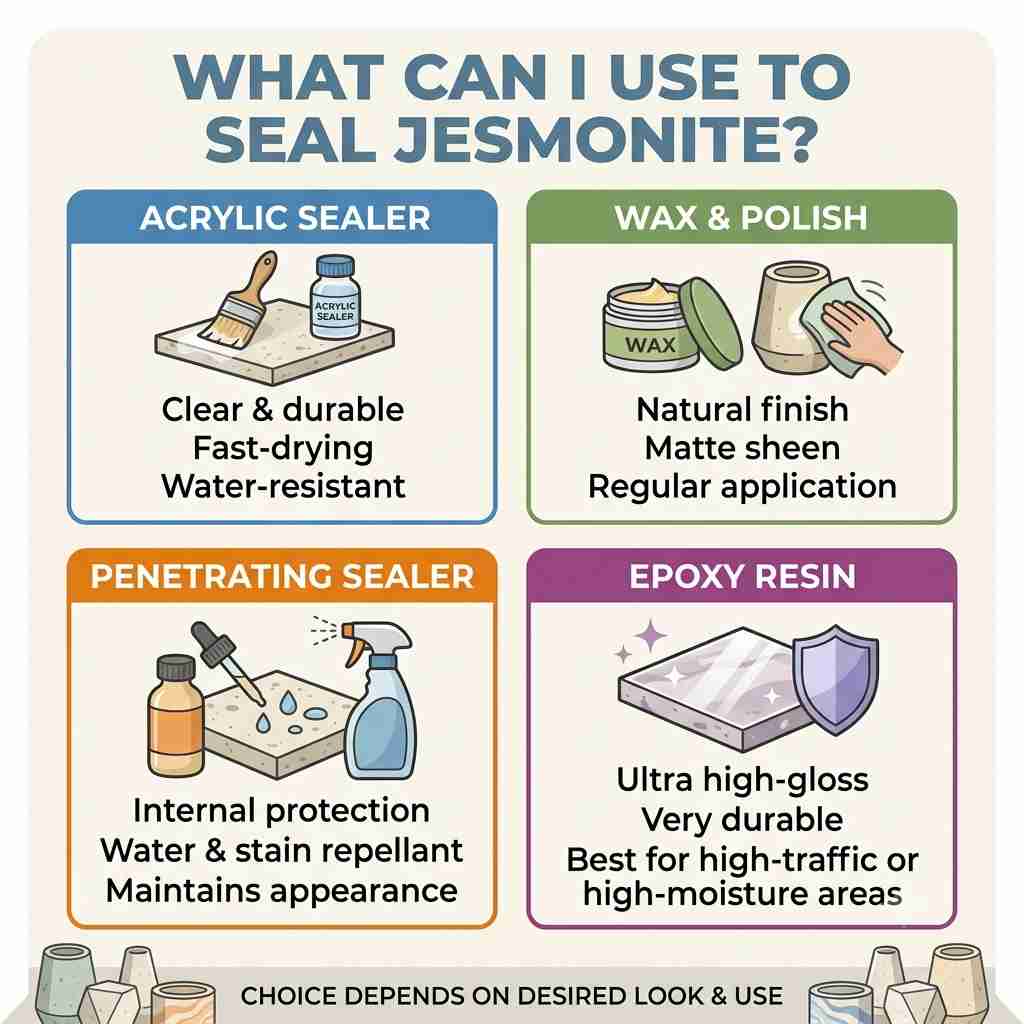
Once completed, the jesmonite piece requires sealing to protect it from the elements. There are two primary types of sealants that can be used. Acrylic polyurethane sealant is an affordable option that is easy to find. However, jesmonite sealer is a more premium product that offers superior protection against moisture, uv exposure, and weathering.
When choosing a sealant, it’s crucial to ensure it’s compatible with jesmonite to avoid any potential damage to the finished piece. With proper sealing, jesmonite sculptures, and architectural elements can maintain their original beauty for years to come.

Credit: resinplay.sg
Table of Contents
Understanding Jesmonite
Jesmonite is an innovative material produced from a blend of acrylic resin and gypsum powder, which makes it incredibly strong and versatile. When left unsealed, jesmonite is prone to absorbing stains and moisture, which can cause it to deteriorate over time.
Applying a sealant to jesmonite offers protection against these problems, preserving its aesthetic appeal and durability. Sealing jesmonite also prevents it from absorbing dust and dirt particles, which makes it easier to clean. The benefits of sealing jesmonite are numerous, including enhanced resistance to uv rays and temperature changes, improved water resistance, and protection from scratches and scuffs.
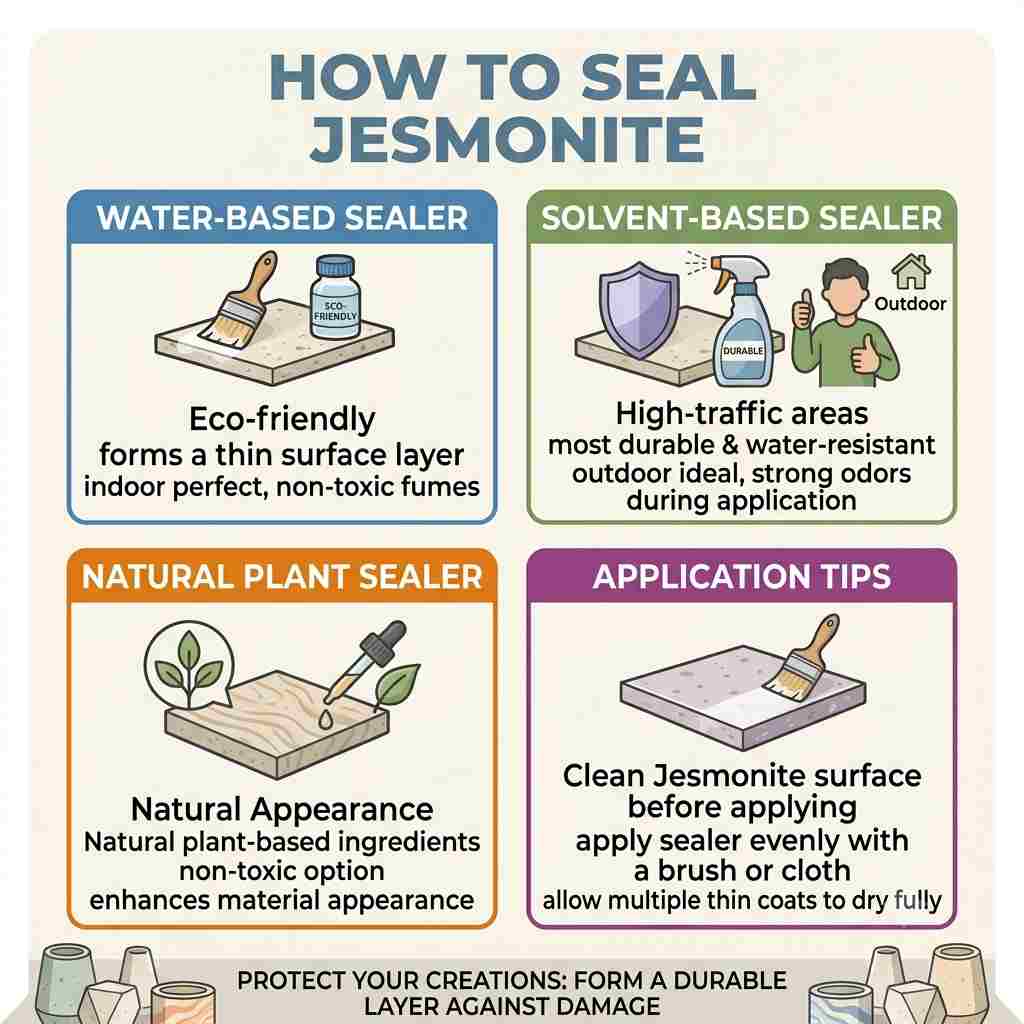
To ensure jesmonite withstands the test of time, it is crucial to apply a high-quality sealant that is suitable for the specific project.
Jesmonite Sealer Selector Tool
Quick Quiz: What Sealer Suits You?
Question: Is your Jesmonite item exposed to water regularly?
Types Of Sealers For Jesmonite
Jesmonite is an ideal material for creating sculptures, artworks, and architectural designs. But sealing it is equally important to protect it from spilling, scratches and harmful chemicals. Water-based sealers are an eco-friendly option that forms a thin layer on the surface.
They are perfect for indoor settings and do not emit toxic fumes. Solvent-based sealers are more durable and water-resistant, but emit strong odours during application. They are ideal for outdoor projects and high-traffic areas. Natural sealers are made from plant-based ingredients and offer a non-toxic option while enhancing the natural appearance of the material.
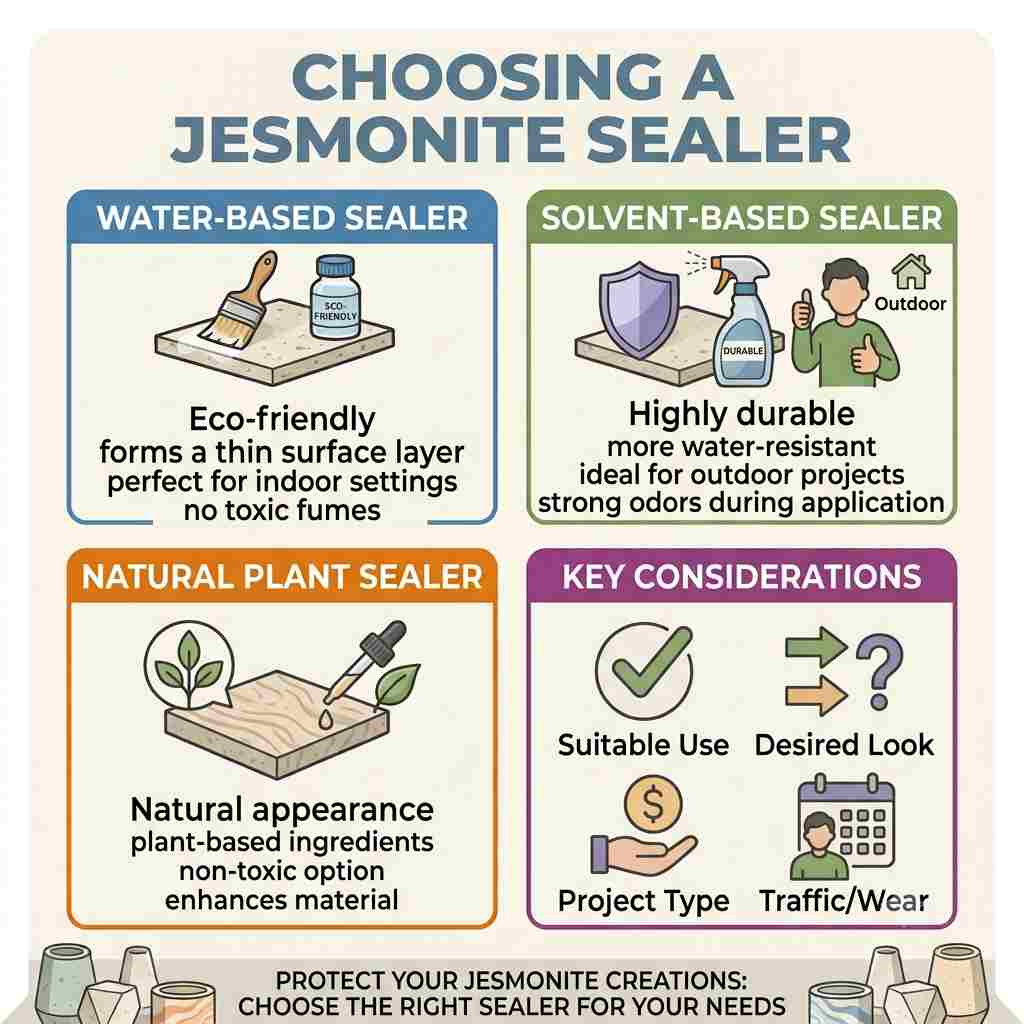
Before choosing a sealer, consider the desired finish, durability, and environmental concerns.
Sealer Type Comparison
| Sealer Type | Best For | Durability |
|---|---|---|
| Water-based acrylic | Indoor use, low toxicity | Medium |
| Solvent-based (e.g., polyurethane) | Outdoor use, high durability | High |
| Silane-siloxane penetrating sealer | Deep moisture resistance, matte finish | High |
| Wax-based (beeswax or carnauba) | Natural finish, light protection | Low to medium |
Factors To Consider Before Choosing A Sealer
Before settling on a sealer for your jesmonite, there are several factors you need to consider. Firstly, the type of jesmonite you are working with will affect the choice of sealer you use. Next, you need to think about the environment and purpose of the jesmonite, as this will impact the sealing materials required.
Additionally, the surface finish of the jesmonite will influence the type of sealer you use. Finally, maintenance is an essential factor as it determines the longevity and effectiveness of the sealer. Take the time to research thoroughly and make an informed decision based on your specific needs and requirements.
Jesmonite Sealer Comparison Tool
Filter sealers by properties:
| Sealer | Type | Durability | Cost | Drying Time |
|---|
Application Process
Preparation is key before applying a sealant to jesmonite. Ensure the surface is thoroughly cleaned and dry before the application process. Use a lint-free cloth to wipe the surface and remove any dust or debris. When applying the sealer, use a brush to evenly distribute the product across the surface.
Be sure to follow manufacturer instructions when determining the appropriate drying and curing time. Jesmonite is a versatile and durable material, but to ensure its longevity, proper sealing is necessary. By taking the time to prepare, apply, and cure the sealant, you can protect your jesmonite surface for years to come.
Jesmonite Surface Suitability Checker
Maintenance Of Sealed Jesmonite
When it comes to maintaining sealed jesmonite, cleaning and care are integral. Regular cleaning with a mild detergent and sponge will prevent the buildup of grime and stains. It’s essential to avoid harsh chemicals that can damage the sealer and jesmonite.
Resealing should be done every three to five years depending on usage and climate. Before resealing, ensure the jesmonite is devoid of any residues or impurities. Removing the old sealers can be achieved by sanding the surface or using a chemical stripper.
Careful attention to maintenance will ensure longevity and durability of the jesmonite surface.
FAQs On Jesmonite Sealer
Jesmonite Tips & FAQs Generator
Which sealant makes Jesmonite AC100 100% waterproof for holding standing water?
No topical sealer makes Jesmonite AC100 completely waterproof for continuous standing water.
Jesmonite retains a porous gypsum core. Consequently, water eventually penetrates thin outer sealant coats.
Instead, use penetrating silane-siloxane concrete sealers or epoxy resins for maximum moisture resistance.
- Silane-Siloxane Sealers: These penetrate deeply into microscopic pores. They create an invisible hydrophobic barrier inside the material.
- Epoxy Coating: Epoxy forms an impermeable thick plastic barrier over the surface.
However, continuous standing water eventually degrades even sealed AC100 over time. Therefore, choose Jesmonite AC730 for birdbaths or deep water vessels.
Can I seal Jesmonite candle holders with Mod Podge or PVA glue without fire hazards?
You should never seal Jesmonite candle holders with Mod Podge or PVA glue.
These PVA-based products soften under heat. Moreover, heat causes them to peel, discolor, or catch fire.
Instead, select heat-resistant acrylic sealers or pure beeswax blends.
- Jesmonite Acrylic Sealer: Heat safe up to normal candle flame conditions.
- Natural Microcrystalline Wax: Withstands moderate heat without melting off.
Furthermore, apply two thin layers of acrylic sealer. Consequently, hot wax dripping will not leave permanent stains.
How do I prevent air bubbles and brush strokes when applying Jesmonite Acrylic Sealer?
Dilute the first coat of sealer with 10% to 20% clean water to eliminate air bubbles.
Thin sealers penetrate porous surfaces smoothly without trapping tiny air pockets.
Follow this straightforward application routine for flawless results:
- First Coat: Apply diluted sealer using a soft dense foam sponge.
- Drying: Allow 1 to 2 hours of complete drying time.
- Second Coat: Apply undiluted sealer lightly in perpendicular strokes.
Additionally, avoid over-brushing drying liquid. Otherwise, you will drag tacky film and create visible streak lines.
Why is my sealed Jesmonite piece feeling sticky, and how can I fix it?
Excessive sealer thickness causes sticky surfaces because the bottom layers cannot cure properly.
Trapped moisture underneath thick acrylic layers leaves a tacky rubbery texture.
Fortunately, you can fix sticky surfaces using simple household items:
- Sanding: Rub the surface gently using 400-grit wet sandpaper.
- Wiping: Clean off dissolved sticky residue with isopropyl alcohol on a lint-free cloth.
- Re-curing: Place the piece in a warm, dry room for 24 hours.
Thereafter, reapply sealer in paper-thin coats only.
Is beeswax or carnauba wax enough to seal Jesmonite coasters against hot coffee spills?
Wax alone cannot protect Jesmonite coasters from burning hot coffee or tea spills.
Hot liquid dissolves wax coats rapidly. Consequently, dark coffee stains penetrate deeply into the open gypsum pores.
Instead, combine a liquid penetrating sealer with a top layer of hard wax:
- Base Layer: Apply two coats of penetrating acrylic sealer.
- Top Layer: Buff hard carnauba wax over the cured sealer.
This double layer defends against heat and repels liquid effectively.
Can I use polyurethane varnish to seal Jesmonite without causing yellowing over time?
You must use solvent-based non-yellowing acrylic polyurethane or water-based polyurethane to avoid yellowing.
Standard oil-based varnishes turn yellow quickly under sunlight exposure.
Consider these critical factors before choosing your polyurethane finish:
- UV Resistance: Look specifically for aliphatic polyurethane on labels.
- Finish Type: Satin or matte hides minor surface flaws best.
- Application: Apply extremely thin coats with a dense micro-fiber pad.
Consequently, your whites and pastel shades remain clear for years.
How long must Jesmonite cure before applying any liquid sealer or wax?
You must wait at least 24 to 48 hours before applying sealer to fresh Jesmonite.
Jesmonite feels dry after 45 minutes, but moisture remains trapped inside.
Sealing wet material causes severe bonding failures and cloudy white spots:
- First 2 Hours: Material undergoes initial exothermic chemical curing.
- 24-Hour Mark: Excess water evaporates completely from internal pores.
- 48-Hour Mark: Full mechanical strength and ideal porosity levels are reached.
Therefore, patience during drying ensures strong sealer adhesion.
What food-safe sealer can I use on Jesmonite cheese boards and fruit bowls?
No commercial sealer officially certifies Jesmonite AC100 for direct food contact.
However, pure 100% food-grade mineral oil and raw beeswax offer non-toxic surface protection.
Follow these safety tips for food-contact items:
- Dry Foods Only: Use pieces exclusively for bread, nuts, or dry fruit.
- Reapplication: Reapply food-safe wax every few weeks.
- Avoid Acids: Keep lemons, tomatoes, and vinegar away from Jesmonite.
Alternatively, line Jesmonite trays with parchment paper before serving food.
How do I achieve a dead-matte finish on Jesmonite without altering the natural stone texture?
Apply a silane-based penetrating sealer to achieve protection without adding surface shine.
Penetrating sealers soak completely into pores without leaving a visible top film.
Follow these specific product choices for matte surfaces:
- Penetrating Sealer: Keeps original stone texture completely unaltered.
- Matte Acrylic Sealer: Adds protection with less than 5% surface sheen.
Furthermore, wipe away excess liquid surface pool within 5 minutes of application.
Will sealing Jesmonite prevent outdoor frost cracking during cold winter months?
A topical sealer alone cannot prevent winter frost cracking in standard Jesmonite AC100.
Water absorbed from base bottoms freezes, expands, and snaps brittle AC100 structures.
Instead, follow these guidelines for long-lasting outdoor decor:
- Use AC730: Switch to cement-based Jesmonite AC730 for outdoor projects.
- Seal All Sides: Apply silane-siloxane sealers over the entire piece, including bases.
- Winter Storage: Bring decorative items indoors during freezing conditions.
Consequently, total moisture elimination protects your creations from frost damage.
What Is Jesmonite And Why Is It Popular For Crafting?
Jesmonite is a water-based composite material used by artists, designers and craftsmen to create decorative objects. It is known for its versatility, high-grip properties, light weight and low toxicity.
What Are The Different Types Of Jesmonite Sealants?
There are two main types of jesmonite sealers – water-based and solvent-based. Water-based sealers are easy to apply, environmentally friendly, and suitable for indoor use. Solvent-based sealers are more durable and offer better protection against uv light, making them ideal for outdoor projects.
Can Jesmonite Be Used To Create Outdoor Sculptures?
Yes. Jesmonite can withstand extreme weather conditions, making it ideal for outdoor sculptures and installations. Jesmonite ac100 is the most recommended option for outdoor projects, as it offers excellent resistance to water, frost, and pollutants.
How Do I Apply Jesmonite Sealant?
To apply jesmonite sealer, first, ensure that the surface you want to seal is clean, dry, and free from debris. Depending on the type of sealer you are using, you can brush, roll or spray the sealant onto the jesmonite surface.
Follow the manufacturer’s instructions on the product label for the best results.
Does Jesmonite Sealant Affect The Appearance Of The Surface?
No. Jesmonite sealers are transparent and do not affect the appearance of the surface. They help to protect the jesmonite from water, oils, stains, uv light, and other pollutants, while retaining its original color and texture.
Final Thoughts
There are several options available for sealing jesmonite, each with its own unique advantages and disadvantages. Before making a decision, it is important to consider the intended use of the jesmonite product, as well as the desired level of finish and durability.
Water-based sealers are a popular choice due to their ease of use and low environmental impact, but may not be suitable for outdoor applications. Solvent-based sealers, on the other hand, offer superior protection and durability but must be applied in a well-ventilated area.
Wax-based sealers are another option worth considering, as they provide a natural-looking finish and can be easily applied with a cloth. With these options in mind, selecting the right sealer for your jesmonite project can help ensure its long-lasting beauty and functionality.