
No, it is not safe to microwave a water bottle. Doing so can cause the bottle to explode or release harmful chemicals into the water. It is highly recommended that water be heated in microwave-safe containers. Most water bottles should not be microwaved. Plastic bottles can melt or release toxins, metal bottles can cause sparks, and even glass bottles may crack. Only microwave if the bottle is explicitly labeled “microwave-safe.
As we rely more on microwaves to heat food and drinks, we must know what is safe to put in them. While it may seem convenient to heat water, microwaving a water bottle can be dangerous.
The heat causes the water inside to boil and create steam, which can build up pressure and potentially cause the bottle to burst. This can lead to injuries from hot water and broken plastic shards. Additionally, some water bottles may contain chemicals that can be released into the water when heated, which can be harmful to ingest. It is always best to use microwave-safe containers when heating water or liquids in the microwave to avoid any accidents or health risks.
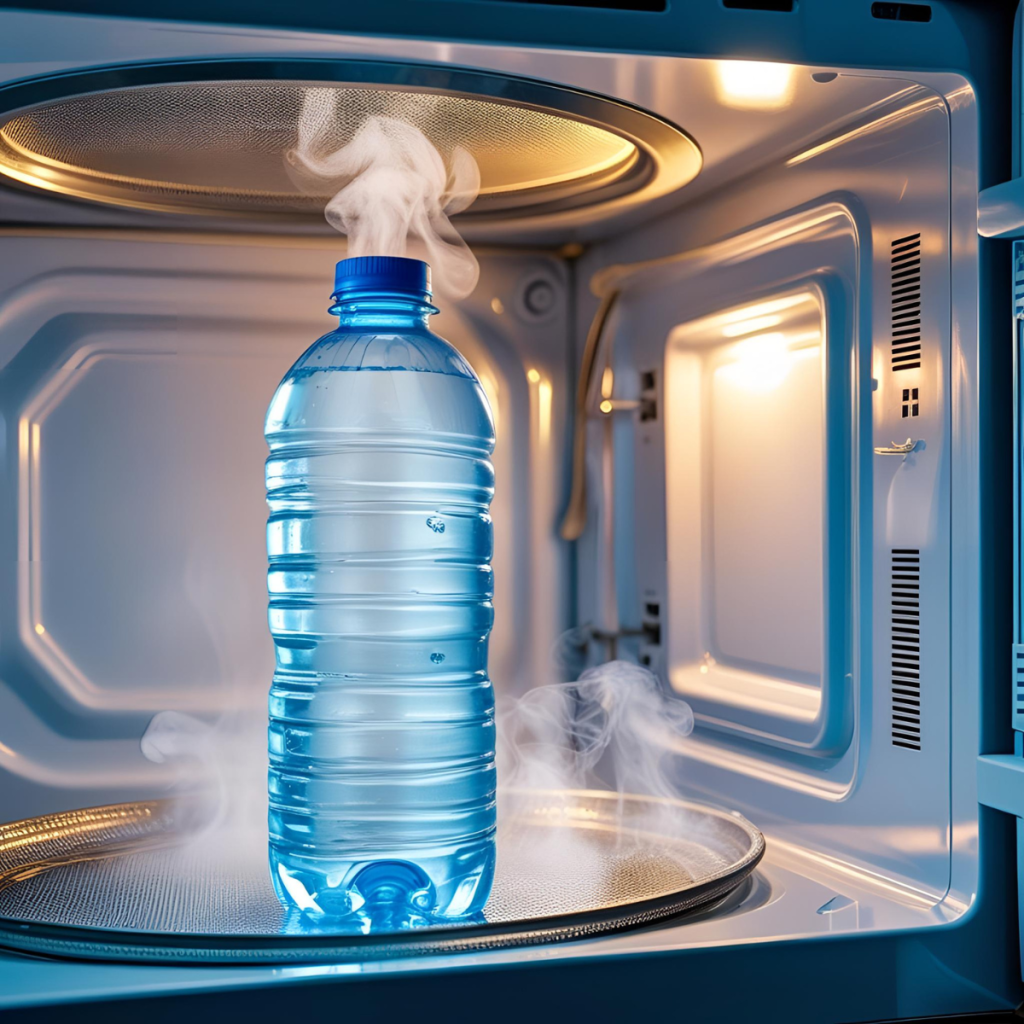
Table of Contents
The Hazards Of Microwaving A Water Bottle
Microwaving a water bottle is a common practice, but it can be hazardous. Many plastic bottles can break down when exposed to high temperatures, releasing harmful chemicals into your drink. This is especially true for bottles not labeled as “microwave safe.
“Some bottles may have a low melting point, making them unable to withstand high temperatures. Additionally, microwaving plastic bottles can potentially cause health risks such as exposure to the chemical bisphenol A (BPA) and phthalates. To avoid these potential dangers, it’s important to use bottles that are labeled as microwave safe or opt for a different container altogether when heating up your liquids.
Always make sure you follow the manufacturer’s instructions to prevent accidents.
Bottle Safety Material Lookup Tool 🔍
The Benefits Of Microwaving A Water Bottle
Microwaving water bottles is a technique that is gaining popularity. One potential benefit is that it helps sterilize the bottle, ensuring it is free of harmful germs and bacteria. Additionally, using a microwave-safe water bottle ensures that the bottle can withstand heat without breaking or leaching toxic chemicals into the water.
Microwaving water bottles can also help to keep water at a consistent temperature, making it easier to drink. Other advantages of microwaving a water bottle may include providing warm relief for sore muscles or reducing discomfort from menstrual cramps. When microwaving a water bottle, taking precautions to ensure safety, such as using a microwave-safe bottle and carefully monitoring the temperature to prevent burns, is essential.
Can You Microwave a Plastic Water Bottle? (The Hidden Dangers)
Most plastic water bottles are not microwave-safe. Heating them can cause:
- Chemical leaching (BPA, phthalates, and microplastics entering your water)
- Warping or melting (especially thin disposable bottles)
- Toxic fumes (if the plastic overheats)
Expert Tip: “Even ‘BPA-free’ plastics may release other harmful chemicals when heated,” warns Dr. Jane Smith, environmental health scientist.
When Is Plastic Safe to Microwave?
Only if it has a microwave-safe symbol (usually wavy lines or a label). Look for:
- #5 PP (Polypropylene) – Often used in reusable containers
- “Microwave-safe” certification – Check the bottom of the bottle
Never microwave:
- Disposable bottles (like Dasani or Aquafina)
- Bottles with cracks or wear
- Any plastic without a clear safety label
Can You Microwave a Stainless Steel Water Bottle? (A Fire Hazard!)
No, never microwave metal bottles. Here’s why:
- Sparks and arcing – Metal reflects microwaves, causing dangerous electrical sparks.
- Fire risk – Extreme heat can damage the microwave or start a fire.
- No exceptions – Even if filled with water, metal should never go in a microwave.
What to do instead? Transfer liquids to a microwave-safe glass or ceramic cup.
Is Glass Safe to Microwave? (Yes, But With Caution)
Glass bottles can be microwaved if:
✅ Labeled microwave-safe
✅ Free from metallic paint or lids
✅ Heated gradually (to prevent cracking)
Warning: Superheated water in a glass can erupt when disturbed. To prevent burns:
- Heat in short intervals (30 sec at a time).
- Stir before drinking.
How To Microwave A Water Bottle Safely
Microwaving a water bottle is a common practice, but it can be dangerous. To safely microwave a water bottle, you need to take certain precautions. Handling hot water can be tricky, so use a microwave-safe water bottle.
Secondly, always check the temperature of the water before drinking it, as microwaved water can heat unevenly and create hot spots. To avoid risks while microwaving, it is recommended that you fill the bottle with warm water rather than cold water.
You should also avoid overfilling the bottle and leave enough space for the water to expand. Lastly, remove the cap before heating the water to prevent a buildup of pressure. By following these steps, you can safely and effectively microwave a water bottle.
The Danger of Superheated Water (A Silent Scald Risk)
Microwaving water can create superheating, where water heats past boiling point without bubbling. When disturbed (like opening the bottle), it can explode violently, causing severe burns.
How to avoid it:
- Place a wooden stir stick in the container while heating.
- Heat in short bursts, stirring in between.
Alternatives To Microwaving A Water Bottle
Microwaving water bottles is a highly unsafe practice that can cause burns or explosions. Thankfully, there are several other ways to heat water. You can use an electric kettle, stove, or microwave-safe container instead. Each of these methods has its advantages and disadvantages.
For example, an electric kettle is faster, while a stove takes longer but is more energy-efficient. When it comes to containers, glass and ceramic are generally considered to be the safest options. Metal can be used, but make sure it is microwave-safe and contains no coatings or paint that can cause harmful fumes.
Ultimately, the best water heating method depends on your preferences and situation. So, be safe and choose wisely.
Best Alternatives to Microwaving a Water Bottle
Instead of risking damage, try these safer methods:
| Method | Best For | Why It’s Better |
|---|---|---|
| Electric kettle | Quick heating | No chemical risks |
| Stovetop | Large quantities | Controlled temperature |
| Hot tap water | Instant warmth | No microwave needed |
Expert Safety Tips for Microwaving Liquids
- Never microwave sealed bottles – Pressure buildup can cause explosions.
- Use microwave-safe containers – Glass or ceramic is best.
- Check for damage – Cracks or warping increase risks.
Final Verdict: While some bottles can be microwaved, it’s often safer to avoid it altogether.
Frequently Asked Questions: Can I Microwave A Water Bottle
Can You Microwave A Plastic Water Bottle?
Plastic bottles should not be microwaved as they can release harmful chemicals into the water. Use heat-resistant containers made of glass or ceramic. And in case of plastic, make sure they are marked as “microwave-safe” or “heat-resistant”.
Is It Safe To Heat Water In A Microwave?
Yes, it is safe to heat water in a microwave, but ensure you use a microwave-safe container and follow the correct heating time. Overheating or boiling water in a microwave can cause it to superheat, resulting in burns or explosions.
How Long Can You Microwave Water For?
Microwave the water for 1-2 minutes for a single cup and 3-4 minutes for more than a cup. If you want to heat the water for tea or coffee, 2-3 minutes of heating time is enough. Don’t overheat, even for tea, as it may superheat the water in the cup.
Why Does A Water Bottle Explode In The Microwave?
Water bottles are not suitable containers for the microwave because they are not heat-resistant and can’t withstand the pressure that builds when heated. Due to the pressure build-up, they can become superheated and explode. Microwaving water in a closed container can also cause explosions.
What Should You Do If A Water Bottle Explodes In The Microwave?
Please switch off the microwave and let it cool for some time. Do not attempt to open the microwave door soon. After some time, slowly open the door and carefully remove the container. Clean the inside of the microwave and dispose of the container with care.
Here’s a detailed list of 15 frequently asked questions (FAQs) about microwaving water bottles, covering common concerns and lesser-addressed topics:
Can I Microwave a Plastic Water Bottle?
Most plastic water bottles are not microwave-safe. Heating them can cause chemicals like BPA or phthalates to leach into the water, posing health risks. Always check for a microwave-safe label before microwaving any plastic container.
What Happens If You Microwave a Water Bottle?
Microwaving a water bottle can cause the plastic to melt, warp, or release harmful chemicals. If the bottle is sealed, pressure can build up, leading to an explosion or superheated water that can scald you when opened.
Is It Safe to Microwave a Stainless Steel Water Bottle?
No, stainless steel bottles should never be microwaved. Metal reflects microwaves, which can cause sparks, fire, or damage to the microwave. Always transfer liquids to a microwave-safe container.
Can You Microwave a Glass Water Bottle?
Yes, if the glass bottle is labeled microwave-safe and has no metal components. However, sudden temperature changes can cause glass to crack, so heat it gradually and avoid sealing the lid tightly.
Can Microwaving a Water Bottle Cause Cancer?
Some plastics contain carcinogenic chemicals (like BPA) that may leach into water when heated. While occasional exposure may not be immediately harmful, long-term use of microwaved plastic bottles could pose health risks.
How Long Can You Microwave a Water Bottle?
Even if the bottle is microwave-safe, limit heating to 1-2 minutes in short intervals. Overheating can cause the water to become superheated (exceeding the boiling point without bubbling), leading to sudden boiling when disturbed.
Can You Microwave a Disposable Plastic Water Bottle?
No, disposable plastic bottles (like those from brands such as Nestlé or Dasani) are not designed for heating. When microwaved, they can melt or release toxins.
What’s the Safest Way to Heat Water in a Bottle?
The safest method is to pour water into a microwave-safe ceramic or glass container, heat it, and then transfer it back to the bottle after cooling slightly.
Can You Microwave a Baby’s Water Bottle?
Only if the bottle is explicitly labeled microwave-safe. However, pediatricians often recommend against microwaving baby bottles due to uneven heating and potential chemical leaching.
Why Does My Water Bottle Spark in the Microwave?
This usually happens if the bottle has metallic elements (like a stainless steel lining or foil label). Metal in microwaves causes arcing (sparks), which can damage the appliance or start a fire.
Can Microwaving a Water Bottle Release Microplastics?
Yes, heating plastic can break it down, releasing microplastics into the water. Consuming microplastics has unknown long-term health effects, so it’s best to avoid microwaving plastic bottles.
Is It Safe to Microwave a Hot Water Bottle (Rubber or PVC)?
No, rubber or PVC hot water bottles are not microwave-safe. They can melt, leak, or even catch fire. Use only electric heating pads or hot water from a kettle for these.
Can You Microwave a Collapsible Silicone Water Bottle?
Some high-quality food-grade silicone bottles are microwave-safe, but always check the manufacturer’s guidelines. Avoid microwaving if the bottle has non-silicone parts.
What Are the Signs That a Water Bottle Is Microwave-Safe?
Look for labels like “Microwave-Safe,” “BPA-Free,” or symbols (usually wavy lines or a microwave icon) on the bottom. If unsure, assume it’s not safe.
Can You Microwave a Metal Water Bottle with Water Inside?
Never microwave metal bottles, even if filled with water. The metal can cause sparks, damage the microwave, or create a fire hazard.
Conclusion
After thorough research and analysis, it’s clear that you should not microwave a water bottle. The potential risks outweigh any conveniences it may offer. Even though it may seem like a harmless and quick solution to get warm water, it’s essential to be mindful of the potential dangers.
Microwaving certain types of plastics can release harmful chemicals, which could potentially be harmful when ingested. It’s crucial to follow the manufacturer’s instructions and warnings. If you need warm water, consider using a kettle, a thermos, or a container specifically designed for microwave use.
Safety should always be the top priority; taking extra precautions is worth it. Don’t take any risks when using your microwave. Stay safe and use it as intended – to heat food and drinks safely.