
No, feeding your chickens goat feed is not recommended. It may not meet the nutritional needs of chickens and can even be harmful to their health.
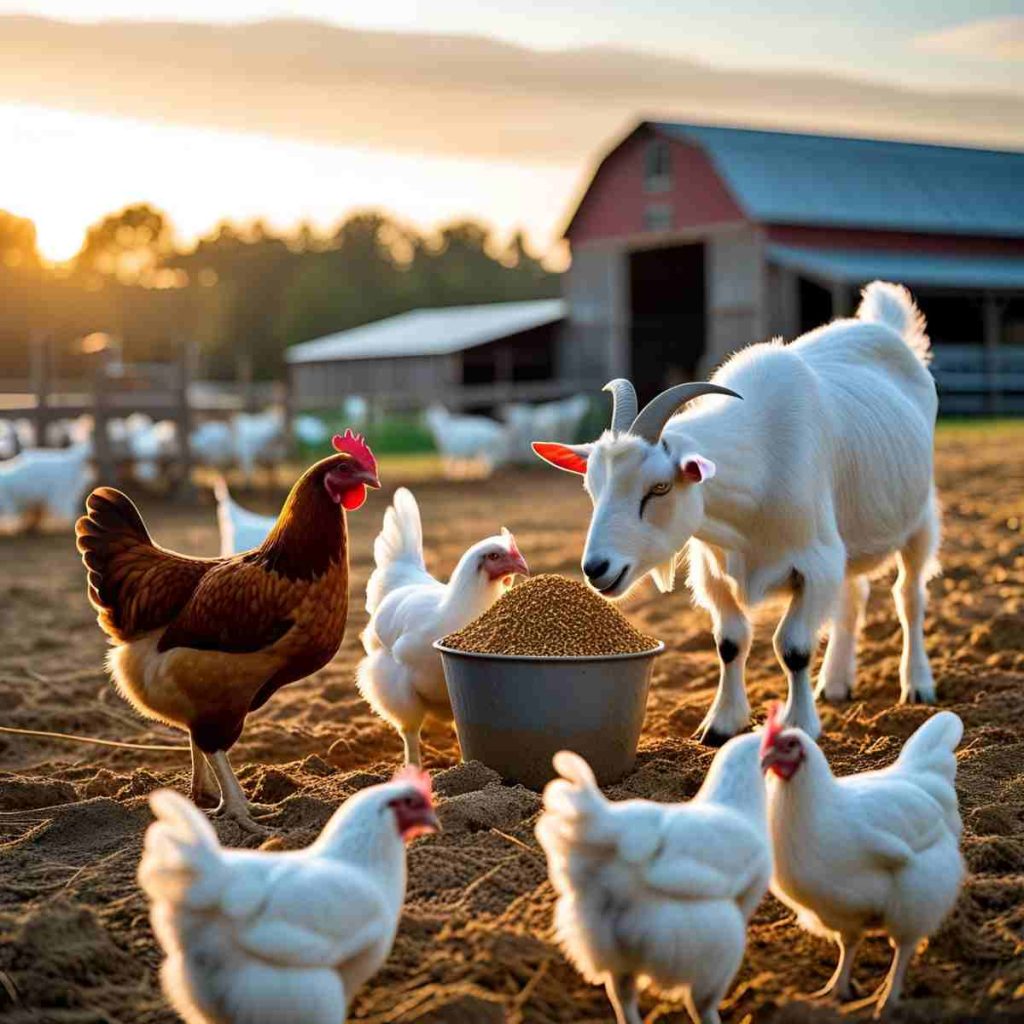
Imagine your chickens pecking at goat feed—could this harmless snack turn dangerous? While goats and chickens may share your farm, their dietary needs differ dramatically.
This expert guide dives deep into the science behind feeding chickens goat feed, revealing surprising risks and more innovative alternatives.
Chickens require a specific balance of protein, minerals, and vitamins in their diet to stay healthy and lay eggs regularly. Goat feed, on the other hand, is formulated to meet the nutritional needs of goats, which have different dietary requirements than chickens.
Feeding chickens goat feed may result in nutritional deficiencies or imbalances that could affect their health and egg production. Additionally, goat feed may contain additives or medications that are safe for goats but harmful to chickens. Therefore, it is vital to ensure that you are feeding your chickens a nutritionally complete diet formulated specifically for poultry.
Table of Contents
Understanding The Nutritional Needs Of Chickens
Chickens require a balanced and nutritious diet to live happy and healthy lives. Understanding their nutritional needs is crucial in keeping them energetic and productive. Chickens need an adequate amount of protein, carbohydrates, fats, vitamins, and minerals in their diet.
Feeding them goat feed is not recommended as it may lack essential nutrients and could lead to health problems. There are different types of feed, such as scratch grains, layer feed, pellets, and crumbles, each with a specific purpose and nutrient composition.
To ensure your chickens get a balanced diet, offer them a variety of feed and supplement with fresh fruits, vegetables, and probiotics. By providing the proper nutrients, your chickens will be healthy, lay eggs regularly, and live a happy life on your farm.
What Is Goat Feed?
Goat feed is a nutritionally balanced diet specifically formulated for goats. It typically contains a blend of grains, protein, vitamins, and minerals. This type of feed may also include ingredients such as hay and grass to promote digestion and keep the goat healthy.
While goat feed is not harmful to chickens, it may not be the ideal choice for their diet. Chickens require a higher protein content in their feed, which may not be present in a goat feed. Additionally, the composition of goat feed may contain larger-sized pellets, which can be difficult for chickens to consume.
Therefore, it is recommended to feed each animal their designated feed to ensure they are receiving the proper nutrients for their specific needs.
🥕 Goat Feed to Chicken Feed Dilution Calculator
Find the safe percentage of goat feed to mix with chicken feed to avoid copper toxicity.
Can Chickens Eat Goat Feed?
Feeding your chickens goat feed may seem like a good idea, but it’s not without potential drawbacks. One of the primary advantages is that goat feed is often less expensive than chicken feed. On the other hand, it contains higher amounts of copper, which can be toxic to chickens if consumed in large quantities.
Copper is beneficial to goats and sheep, but chickens require only a tiny quantity, so the risk of copper poisoning is high. To minimize the danger, it’s crucial to limit the amount of goat feed and provide a balanced diet that includes chicken feed.
Consult with a veterinarian if you’re unsure how to introduce goat feed to your chickens. Following recommended feeding guidelines and monitoring the health of your chickens can help prevent health risks associated with goat feed.
Nutritional Content: Goat Feed vs. Chicken Feed
Key Differences at a Glance
| Nutrient | Goat Feed | Chicken Feed | Why It Matters for Chickens |
|---|---|---|---|
| Protein | 10-14% | 16-20% (layers) | Chickens need more protein for eggs and growth. |
| Calcium | Low | High (3-4%) | Essential for strong eggshells. |
| Fiber | High (20-30%) | Low (5-8%) | Chickens struggle to digest fiber. |
| Copper | Often added | Minimal | Toxic to chickens in excess. |
| Vitamins | Balanced for goats | Poultry-specific | Chickens need more B vitamins. |
Expert Insight:
“Chickens require nearly double the protein of goats for optimal egg production—goat feed simply doesn’t meet this need.” — Dr. Emily Carter, Poultry Nutritionist.
🍽 Balanced Diet Planner for Chickens
Select your chicken’s age, purpose, and available feeds to get a recommended daily diet plan.
Digestive System Differences
Chickens (Monogastric)
- Simple stomach: Digests grains and protein efficiently.
- Fast metabolism: Requires easily digestible, nutrient-dense feed.
- Crop and gizzard: Grinds food but struggles with high fiber.
Goats (Ruminants)
- Four-chambered stomach: Breaks down fibrous plants slowly.
- Microbial fermentation: Extracts nutrients from roughage.
Critical Difference:
Goat feed’s high fiber can cause crop impaction in chickens, leading to:
- Digestive blockages
- Malnutrition
- Increased risk of infections
Potential Health Risks of Goat Feed for Chickens
A. Copper Toxicity
- Goat feed often contains 20-30 ppm copper—chickens tolerate only 8-10 ppm.
- Symptoms: Lethargy, pale combs, and sudden death.
B. Protein Deficiency
- Layers: Weak eggshells, reduced production.
- Chicks: Stunted growth, poor feathering.
C. Medicated Feed Dangers
- Some goat feeds contain monensin or lasalocid, which are fatal to poultry.
Pro Tip: “Always check feed labels for medications before offering any to chickens.” — Farmer Joe Reynolds, Poultry Specialist.
Safe Alternatives to Goat Feed
Best Chicken Feed Options
✔ Layer Pellets (16-18% protein, fortified with calcium)
✔ Starter/Grower Feed (20-24% protein for chicks)
✔ Fermented Grains (Boosts digestibility)
Healthy Treats
- Mealworms (High protein)
- Leafy Greens (Kale, spinach)
- Oyster Shells (Free-choice calcium)
Emergency Solution: If chickens eat goat feed, offer activated charcoal (vet-approved) to bind toxins.
Practical Recommendations for Farmers
Do’s and Don’ts
✅ Do:
- Keep chicken and goat feed separately stored.
- Use covered feeders for goats.
- Supplement with poultry grit for digestion.
❌ Don’t:
- Rely on goat feed as a primary diet.
- Ignore signs of copper toxicity.
- Feed medicated goat feed under any circumstances.
Monitoring Checklist
- Weekly weight checks
- Eggshell quality tests
- Behavioral observation (lethargy, reduced pecking)
Alternatives To Goat Feed For Chickens
Feeding chickens can be a tricky business. It’s essential to make sure they’re getting the nutrients they need, without inadvertently harming them. Goat feed is a popular option for chickens, but it may not always be the best choice. Luckily, there are plenty of alternatives available.
Chickens can eat a variety of grains, such as wheat and barley, as well as other feed types, like mealworms or crickets. Using alternative feed sources can have benefits, such as increasing egg production or improving the quality of the eggs.
However, it’s essential to consider the specific needs of your chickens when selecting an alternative feed. Additionally, make sure that any new feed is introduced gradually to avoid upsetting their digestive systems.
Final Verdict: Should You Feed Goat Feed to Chickens?
Short Answer: Only in tiny, occasional amounts—never as a staple.
Better Solution: Stick to species-specific feed for thriving, productive chickens.
Need More Help? Consult a poultry nutritionist for tailored advice.
Frequently Asked Questions On Can I Feed My Chickens Goat Feed
Can chickens eat goat feed as their main diet?
Not. Goat feed lacks the proper protein, calcium, and vitamin balance chickens need for optimal health and egg production.
What specific nutrients are missing in goat feed for chickens?
Goat feed is deficient in:
- High-quality protein (needs 16-20% for layers)
- Calcium (critical for eggshells)
- Poultry-specific vitamins like B12 and D3
Is it okay if chickens occasionally eat goat feed?
Small, occasional amounts won’t immediately harm them, but it should never exceed 5% of their total diet.
Why is copper in goat feed dangerous for chickens?
Chickens are susceptible to copper. While goats need 20-30 ppm, chickens can only tolerate 8-10 ppm before risking liver damage.
Can baby chicks eat goat feed?
Never. Chicks require starter feed with 20-24% protein – goat feed provides less than half that amount.
Will goat feed affect my chickens’ egg production?
Yes. The low protein and calcium will lead to:
- Fewer eggs
- Thin or missing shells
- Potential egg binding
Are there any goat feed ingredients that are toxic to chickens?
Watch out for:
- Copper supplements
- Monensin (common coccidiostat)
- High levels of molasses can cause diarrhea.
How quickly would copper toxicity show in chickens?
Symptoms may appear within 24-48 hours:
- Lethargy
- Pale comb
- Greenish diarrhea
- Sudden death in severe cases
Can chickens digest the high fiber in goat feed?
Poorly. Their simple digestive systems struggle with fiber over 8%, potentially causing:
- Crop impaction
- Reduced nutrient absorption
- Increased risk of sour crop
What should I do if my chickens ate a lot of goat feed?
Immediately:
- Remove all goat feed
- Provide fresh water with electrolytes
- Offer their regular chicken feed
- Monitor closely for 72 hours
Is alfalfa-based goat feed safer for chickens?
Marginally better but still problematic. Alfalfa’s high fiber (25-30%) can still cause digestive issues if overconsumed.
Can chickens eat goat minerals or salt licks?
No. Goat minerals contain dangerous copper levels. Use poultry-specific supplements instead.
Will goat feed make my chickens gain weight?
Actually the opposite. The low protein may cause muscle wasting, while the high carbs could lead to unhealthy fat deposits.
Can I mix goat feed with chicken feed to make it safer?
Not recommended. Even diluted, the copper and improper nutrient balance remain concerns.
Are there any goat feeds that might be chicken-safe?
Organic, non-medicated, low-copper goat feeds might be less risky, but still nutritionally incomplete for poultry.
How does goat feed affect chickens’ feathers?
The protein deficiency can cause:
- Poor feather growth
- Increased molting
- Dull, brittle feathers
Can chickens eat goat feed pellets vs. textured feed?
Pellets are slightly safer (less selective eating), but the nutritional imbalances remain the same.
What about fermented goat feed for chickens?
Fermentation helps somewhat with digestibility but doesn’t solve the core nutrient deficiencies.
How can I prevent my chickens from eating goat feed?
- Feed species separately
- Use covered goat feeders
- Train chickens with designated feeding areas
- Provide plenty of chicken-appropriate treats
What are the best emergency alternatives if I run out of chicken feed?
Better short-term options include:
- Scrambled eggs (excellent protein)
- Cooked rice with peas
- High-quality cat food (in moderation)
- Mealworms and sunflower seeds
Expert Tip: “When in doubt, remember: Chickens aren’t small goats. Their nutritional needs are completely different.” – Dr. Lisa Harrison, Avian Veterinarian.
Can I Feed My Chickens Goat Feed?
Yes, in moderation. Goat feed can supplement their diets, but cannot fully replace chicken feed.
Will Feeding Goat Feed Harm My Chickens?
Feeding goat feed to chickens in excess can lead to health issues and nutritional imbalances.
What Is The Nutritional Content Of Goat Feed?
Goat feed often contains higher levels of protein and fiber compared to chicken feed.
Can Goat Feed Affect The Taste Of Chicken Eggs?
Feeding goat feed in moderation should not have a significant impact on the taste of chicken eggs.
How Often Can I Feed My Chickens Goat Feed?
It is recommended to limit goat feed to no more than 10% of the chicken’s total diet. Consult with a poultry nutritionist for exact recommendations.
Conclusion
To conclude, feeding goats’ feed to chickens is not recommended and can result in health problems and nutritional deficiencies. Chickens have different dietary requirements than goats, and they need a specific balance of protein, vitamins, and minerals to maintain their overall health.
While goats and chickens seem to share some common dietary preferences, such as hay and grains, you should not mix their feeds. Stick to the feed formulated explicitly for chickens or consult with a poultry nutritionist if you have questions about your chickens’ diet.
Providing your chickens with a well-balanced diet will ensure optimal health and production. Always keep in mind that chickens are sensitive creatures and need proper care to live a happy and healthy life. So, make sure to provide them with the correct type of feed suited for their needs and reap the rewards of providing your flock with the best possible care and nutrition.
Need More Info? Check out:
- U.S. Department of Agriculture (USDA) – Poultry Feeding and Nutrition
Comprehensive federal guidance on proper poultry nutrition and feed safety. - University of Kentucky Cooperative Extension – Feeding Chickens the Right Way
Expert advice from agricultural specialists on balanced diets for chickens. - Penn State Extension – Can You Feed Chickens Goat Feed?
Discusses nutritional differences between chicken feed and other livestock feeds. - Purdue University Extension – Feeding and Caring for Backyard Chickens
Research-based tips for safe and healthy chicken diets. - North Carolina State University Extension – Poultry Feed Management
Outlines proper feed composition for chickens and risks of feeding inappropriate feeds.