
Yes, you can sue your landlord for carbon monoxide poisoning if you can prove negligence. Landlords are responsible for providing a safe living environment, and failure to address carbon monoxide hazards can make them legally liable. The CDC explains the health risks and prevention of carbon monoxide poisoning. For related home-safety precautions involving generators, see our 4000-watt generator guide. To build a strong case, you must demonstrate that your landlord was aware—or should have been aware—of the issue and failed to take necessary action.
How to Prove Landlord Negligence in a Carbon Monoxide Case
To pursue a lawsuit, you generally need evidence connecting the exposure, the harm, and the landlord’s alleged negligence; legal requirements vary by location. Keep medical records, incident reports, inspection results, and communications, and consult a qualified local attorney. For prevention and property-safety concerns, you may also need a qualified professional to inspect fuel-burning appliances or hardwired alarms; our guide explains how to contact an electrician when electrical work is needed.
Step 1: Collect Evidence of Carbon Monoxide Exposure
Start by compiling solid proof that you have suffered from carbon monoxide poisoning. Essential evidence includes:
- Medical records diagnosing carbon monoxide poisoning
- Air quality test results from your rental property
- Inspection reports and maintenance records
- Tenant complaints or reports regarding malfunctioning appliances (e.g., furnace, water heater, or stove)
- Any history of previous carbon monoxide leaks at the property

Step 2: Notify Your Landlord in Writing
Once you have gathered sufficient evidence, send a written notice to your landlord or property management company. Clearly outline the situation, present your evidence, and request immediate action. Be sure to document all communication for legal purposes.
Step 3: Consider Legal Action Against Your Landlord
If your landlord ignores your complaint or refuses to take responsibility, you may need to escalate the matter legally. You can:
- File a complaint with local housing authorities
- Consult a personal injury lawyer specializing in landlord-tenant disputes
- Initiate a lawsuit for damages, including medical expenses, lost wages, and emotional distress
Step 4: Prepare for Court Proceedings
If you decide to sue your landlord, preparation is key. Work with your attorney to:
- Organize all gathered evidence
- Identify and secure witness testimony (such as neighbors or previous tenants)
- Document the impact of carbon monoxide poisoning on your health and daily life
Landlord Carbon Monoxide Case: Steps at a Glance
| Step | What to Do |
|---|---|
| 1. Collect evidence | Medical records, air quality tests, inspection and maintenance records, tenant complaints, history of previous leaks |
| 2. Notify your landlord in writing | Outline the situation, present evidence, request immediate action, and document all communication |
| 3. Consider legal action | File with local housing authorities, consult a personal injury lawyer, or start a lawsuit for damages |
| 4. Prepare for court | Organize evidence, secure witness testimony, and document the health impact |
Potential Compensation for Carbon Monoxide Poisoning
If your lawsuit is successful, you may receive compensation for:
- Medical expenses (treatment, medication, hospitalization)
- Lost wages due to inability to work
- Pain and suffering
- Relocation costs if you had to move due to unsafe conditions
Table of Contents
How Do You Prove Carbon Monoxide Poisoning?
Carbon monoxide poisoning can be difficult to diagnose, but there are certain signs and symptoms that may indicate the presence of this deadly gas. To prove carbon monoxide poisoning, it is important for a medical professional to first confirm the presence of elevated levels of carbon monoxide in either your home or workplace. This can be done through various methods such as a blood test, breath analysis or using specialized equipment like an electrocardiogram (ECG) machine.
Other telltale signs include headaches, dizziness, nausea/vomiting, confusion and blurred vision. If these symptoms are present along with high CO levels in the environment then it becomes more likely that you have been poisoned by carbon monoxide. Additionally, if someone has already died due to suspected CO poisoning then an autopsy should also take place which could reveal damage to organs due to prolonged exposure or even sooty deposits on their lungs caused by inhalation of large amounts of toxic fumes from burning fuel sources like natural gas stoves or wood fires.
Who is Liable for Carbon Monoxide Poisoning?
Carbon monoxide poisoning is a serious and potentially fatal condition that occurs when carbon monoxide builds up in an enclosed space. Carbon monoxide is an odorless, colorless gas that can be found in the exhaust of vehicles, burning charcoal or wood, and other sources. When someone is exposed to large amounts of this gas for a long period of time it can lead to death.
In many cases, who is liable for carbon monoxide poisoning depends on the source of exposure. If it’s from a faulty appliance like a furnace or water heater then that manufacturer could be held liable as they would have known about any safety issues related to their product before selling it. Additionally, if the source came from another person’s negligence such as leaving an engine running in an enclosed garage then they could also face legal action due to recklessness or negligent behavior leading to injury or death due to the dangerous levels of carbon monoxide present.
Ultimately, liability will depend on each specific case but anyone found responsible for exposing people knowingly should be held accountable accordingly for any damages caused by their actions.
Can You Get Compensation for Carbon Monoxide Poisoning?
Yes, in many cases you can get compensation for carbon monoxide poisoning. Carbon monoxide (CO) is a colorless and odorless gas that can be extremely toxic to humans when inhaled. It can cause serious health issues such as brain damage, heart problems and even death if not treated quickly enough.
In some cases, victims of CO poisoning may be able to file personal injury claims against the responsible party or parties in order to receive financial compensation for their losses. Depending on the situation, this could include medical bills, lost wages due to missed work days or disability payments stemming from permanent physical damage caused by the poisonings. Additionally, punitive damages may also be available if it is determined that negligence was involved with regards to proper maintenance of equipment generating CO emissions or failure to provide adequate warning about potential dangers associated with certain activities or products containing CO.
Can You Sue for Being Exposed to Carbon Monoxide?
Yes, you can sue for being exposed to carbon monoxide. Carbon monoxide (CO) is an invisible, odorless gas that can be deadly if not properly monitored and managed. Exposure to CO can cause severe health issues such as brain damage, heart attack, coma and even death in extreme cases.
In the event of exposure from a negligent source – such as a faulty appliance or negligence on behalf of your landlord – then it may be possible for you to pursue legal action against those responsible for exposing you to this hazardous gas. A successful lawsuit would likely result in monetary compensation for medical expenses incurred due to CO poisoning as well as other damages sustained by the individual who was exposed. It’s important to understand that each case is unique; therefore consulting with an experienced attorney is essential in determining whether or not you have a valid claim which could lead to a successful lawsuit.
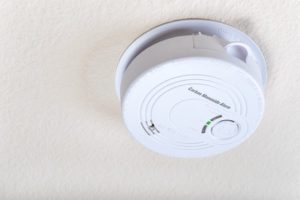
Credit: www.accidentclaims.co.uk
Average Payout for Carbon Monoxide Poisoning
According to a study by the American College of Occupational and Environmental Medicine, the average payout for carbon monoxide poisoning is about $3.5 million per case. This figure includes both medical expenses and economic losses, such as lost wages or earning capacity. As with any personal injury settlement, many factors can affect the final amount including severity of injury and state laws governing compensation for damages caused by negligence or other circumstances .
Can You Sue for Carbon Monoxide Poisoning
Yes, you can sue for carbon monoxide poisoning. If your carbon monoxide exposure is due to someone else’s negligence or intentional action, you may be able to seek compensation for medical bills and other damages through a civil lawsuit. To succeed in this kind of claim, you must prove that the defendant was responsible for creating or allowing the dangerous condition that caused your injury.
Carbon Monoxide Tenants Rights
Tenants have the right to be protected against carbon monoxide (CO) poisoning in rental properties. Landlords are required to install and maintain CO detectors near all sleeping areas, as well as check them at least annually to ensure they function properly. Any signs of a malfunctioning detector should be reported immediately to the landlord.
Tenants who suffer from CO poisoning due to their landlord’s negligence may be entitled to compensation for their losses such as medical expenses, lost wages, and pain and suffering.
How Long Does a Landlord Have to Fix a Gas Leak ?
Under most state laws, a landlord is required to address any known gas leaks within a reasonable amount of time. Depending on the severity of the leak, this can be anywhere from 24 hours to one week. Furthermore, landlords are also obligated to take additional steps in order to ensure that tenants are safe and that the gas line is properly repaired.
These include scheduling inspections with qualified professionals and ensuring that all necessary permits have been obtained prior to any work being done.
Carbon Monoxide Poisoning Symptoms
Carbon monoxide poisoning is a serious health hazard that can have deadly consequences. Symptoms of carbon monoxide poisoning include headache, dizziness, nausea, chest pain or tightness, fatigue, confusion and blurred vision. If you are exposed to high levels of carbon monoxide for an extended period of time it can lead to loss of consciousness and death.
It is important to be aware of the signs and symptoms so that appropriate action can be taken in order to prevent any further harm from occurring.
Are Landlords Responsible for Carbon Monoxide Detectors
Landlords are responsible for providing and installing carbon monoxide detectors in all rental units. This requirement is mandated by law, but it varies from state to state. Depending on where the rental unit is located, landlords may be required to check or replace the detector periodically.
In most cases, tenants are responsible for testing their own carbon monoxide detectors and replacing batteries as needed.
Gas Leak Landlord Responsibilities
As a landlord, it is your responsibility to ensure that all gas appliances are safe and in good working order. You must also regularly inspect the property for signs of gas leaks such as smells, sounds of hissing or whistling, discoloration on walls and floors, and dead or dying vegetation near an outdoor appliance. Furthermore, you should always make sure that carbon monoxide detectors are installed throughout the rental property and maintained according to manufacturer instructions.
Finally, if a tenant reports an issue with their gas supply or appliance, it’s important to act quickly by investigating the situation and addressing any issues promptly.
Carbon Monoxide Environmental Damage
Carbon monoxide (CO) is a colorless, odorless gas that has the potential to cause significant environmental damage. It is created by burning fossil fuels such as oil, natural gas and coal and can be found in vehicle exhaust fumes, power plants, furnaces and other combustion sources. Carbon monoxide pollution affects both air quality and climate change by trapping heat in the atmosphere which contributes to global warming.
This can result in droughts, floods, extreme weather events and other environmental disasters. In addition to this, it also reduces air quality due to its toxicity which can lead to problems like respiratory illness or even death if inhaled in high concentrations over an extended period of time.
Final Thoughts
In conclusion, if you or someone in your household has suffered from carbon monoxide poisoning due to a landlord’s negligence, it is important that you seek legal advice as soon as possible. Taking legal action against your landlord may be the only way to get compensation for medical bills and other damages associated with carbon monoxide exposure. With the help of an experienced attorney, you can make sure that your rights are protected and hopefully obtain justice for yourself and/or your loved ones.
Carbon monoxide poisoning is a serious and potentially life-threatening issue. If your landlord’s negligence has put your health at risk, you have the right to take legal action. By gathering solid evidence, seeking medical attention, and consulting a qualified attorney, you can hold your landlord accountable and secure the compensation you deserve.
For expert legal guidance, consult an experienced landlord-tenant attorney to assess your case and determine the best course of action.