
IVF with Preimplantation Genetic Testing (PGT) can theoretically select embryos with genes for blue eyes, but it’s ethically controversial and restricted in most countries. While scientifically possible, using IVF solely for eye colour selection raises significant moral and legal concerns.
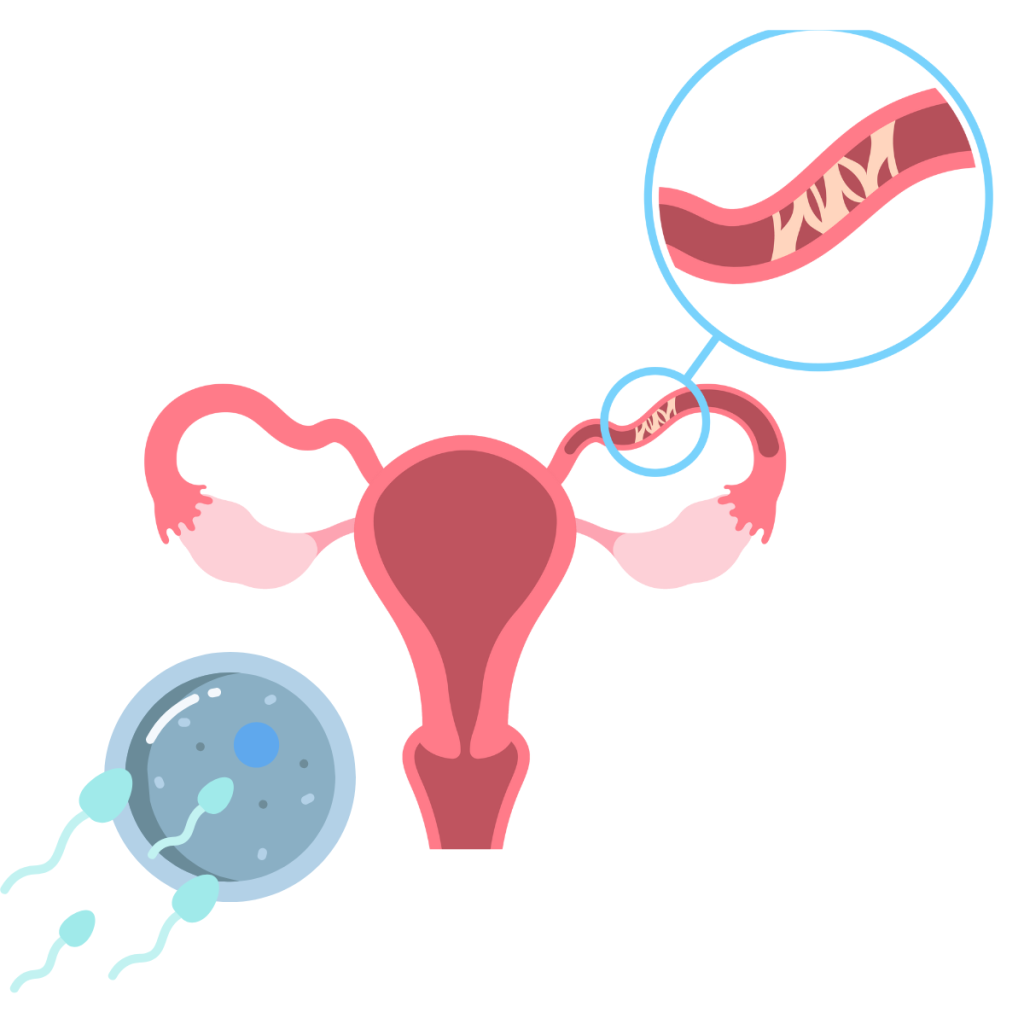
Table of Contents
Can You Really “Design” a Blue-Eyed Baby Through IVF?
The idea of choosing your baby’s eye colour sounds like science fiction—but with modern assisted reproductive technology (ART), it’s technically possible. However, the reality is far more complex than a simple selection process.
Here’s what science says—and why most doctors won’t do it.
The Science Behind IVF and Eye Colour Selection
Eye colour is determined by multiple genes, primarily OCA2 and HERC2, which control melanin production in the iris. Through Preimplantation Genetic Testing (PGT), scientists can screen embryos for specific genetic markers, including those linked to blue eyes.
How the Process Works:
- IVF Fertilisation: Eggs and sperm are combined in a lab.
- Embryo Screening: PGT analyses embryos for genetic traits.
- Selection: Only embryos with desired markers (e.g., blue-eyed genes) are implanted.
Expert Insight:
“While we can identify genetic markers for eye colour, using IVF for cosmetic trait selection is ethically problematic and banned in many countries.”
— Dr. Sarah Mitchell, Reproductive Geneticist
Let’s Try This Tools
Eye Color Probability Calculator (Genetic Predictor Tool)
Eye Color Probability Calculator 👁️
Where Is Eye Color Selection Allowed?
Currently, few countries permit non-medical embryo selection, and even then, only for serious genetic disorders—not cosmetic traits like eye color.
Legal Status Worldwide:
| Country | Allowed for Eye Color? | Notes |
|---|---|---|
| USA | ❌ No (restricted by ASRM guidelines) | Only for medical conditions |
| UK | ❌ No (HFEA prohibits trait selection) | Strict regulations |
| Mexico | ⚠️ Some clinics offer it | Unregulated “IVF tourism” |
| China | ❌ No (banned for non-medical use) | Recent crackdowns |
Tip: Even where not explicitly illegal, most reputable clinics refuse cosmetic trait selection due to ethical concerns.
Ethical Concerns: Why Most Doctors Refuse
Using IVF for blue eyes raises serious ethical debates:
✅ “Designer Baby” Slippery Slope – Could lead to selection for height, intelligence, etc.
✅ Unnecessary Medical Risk – IVF is invasive; shouldn’t be used for non-essential traits.
✅ Social Inequality – Could worsen discrimination based on genetic “preferred” traits.
Expert Quote:
“IVF should be used to help infertile couples, not to fulfil aesthetic preferences. The risks outweigh the benefits.”
— Dr. Alan Harper, Bioethics Specialist
A Realistic Alternative: Natural Probability
If both parents carry recessive blue-eyed genes, there’s already a 25% chance of a blue-eyed baby naturally. Genetic testing (like 23andMe) can reveal if you have these genes.
Final Verdict: Should You Consider IVF for Blue Eyes?
🔹 Scientifically Possible? Yes, but extremely limited.
🔹 Ethically Advisable? No, most experts discourage it.
🔹 Better Approach? Focus on a healthy pregnancy and embrace genetic uniqueness.
Bottom Line
While technology advances, using IVF to alter eye colour remains ethically frowned upon and largely inaccessible. Your baby’s eyes will be perfect—no matter the colour!
FAQ
Can I pay extra to select eye colour in the US?
No. The ASRM prohibits trait selection for non-medical reasons.
Are there any IVF clinics that allow this?
Some unregulated clinics abroad may offer it, but the risks are high.
Does PGT always detect eye colour accurately?
No—it predicts probability, not guarantees.
Still curious? Ask your questions in the comment section 👇💙